
Table Tennis England Opens Its Books: Community Table Tennis Strategy Toward London 2026
Table Tennis England (cơ quan quản lý bóng bàn quốc gia Anh) vừa công bố chiến lược phát triển bóng bàn cộng đồng, nhấn mạnh hỗ trợ câu lạc bộ, đào tạo trọng tài và chương trình giới thiệu hội viên; giải thưởng là bàn Butterfly lấy cảm hứng từ London 2026. Nguồn: Table Tennis England, ngày 18 tháng 6 năm 2026. Sự kiện chính: - Khảo sát hội viên yêu cầu minh bạch về công việc phát triển. - Cam kết công bố Báo cáo thường niên và loạt video về quản trị, hiệu suất, gắn kết. - Chương trình giới thiệu hội viên cần mã TTID; mỗi lượt giới thiệu thành công là một lượt dự thưởng. - Giải thưởng: bàn bóng bàn Butterfly thiết kế cảm hứng London 2026. - London 2026 chưa được xác nhận chính thức; giới quan sát đồn đoán gắn với sự kiện ITTF lớn. Hỏi đáp liên quan: Hỏi: Vì sao Table Tennis England đưa ra thông cáo này? Đáp: Vì hội viên yêu cầu minh bạch về cách sử dụng phí hội viên. Hỏi: Mã TTID dùng để làm gì? Đáp: Theo dõi và quy kết lượt giới thiệu hội viên trong chương trình dự thưởng. Hỏi: London 2026 có phải là Giải vô địch thế giới? Đáp: Chưa được xác nhận trong thông cáo, nhưng nhiều khả năng là sự kiện bóng bàn quốc tế lớn tại London.
Introduction
In an official statement titled “How we work at the grassroots to make the sport stronger,” Table Tennis England – the national governing body for table tennis in England – says nothing about medals, names no star player, and breaks down no rallies. Instead, it opens the door to the Development department to explain to members how their fees are being used. For readers used to transfer stories and match results, this may seem like a dry release. For those following talent systems and sports governance, it is a valuable signal about how English table tennis is preparing for the future, with many pointing to London 2026 as the strategic anchor.
Background
The release follows a member survey. Players, clubs and volunteers asked the governing body to talk more about internal work, not just competition announcements. They wanted to know what the Development department does, where its money comes from and how outcomes are measured. Table Tennis England’s response has two layers. The first is a transparency commitment: it will publish its Annual Report and release a series of videos explaining governance, performance and engagement. The second is an invitation for members to join a referral programme with a prize. These layers give the announcement its character: part governance report, part membership campaign.
Chris Brown, Director of Table Tennis Development, is a key figure. He is responsible for the work described as a core part of the association’s remit. Yet the release contains no direct quote, biography or personal message. This suggests the text focuses on structure rather than personalities. Scouts might easily miss that detail, but from a governance perspective it signals a systemic message.
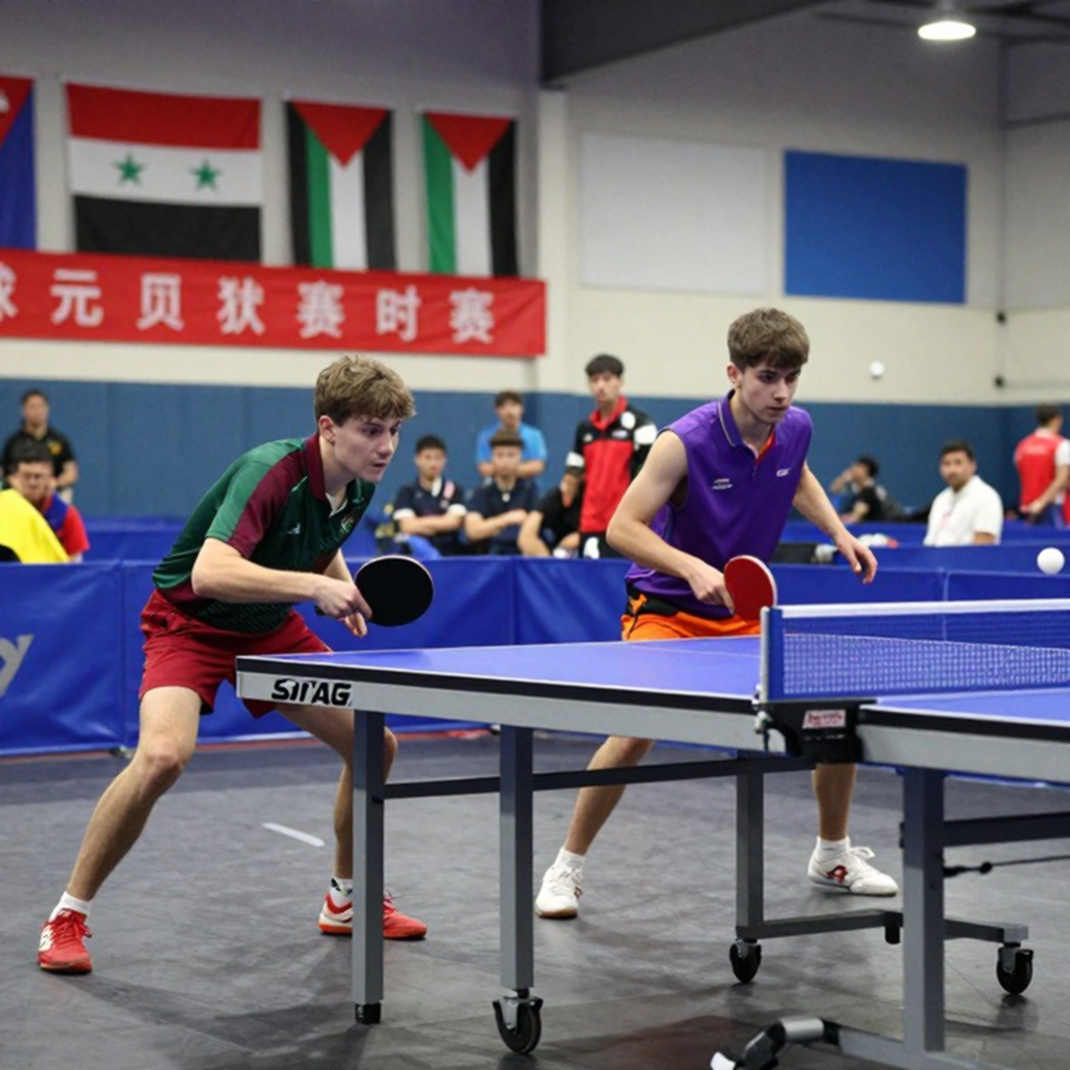
The Development remit covers four areas: club support, building partnerships, training officials, and participation initiatives. These are not the top of the talent pyramid; they are the foundation. Stronger clubs mean more playing opportunities; better officials mean more professional events; wider participation enlarges the future recruitment pool. In short, before thinking about future stars, the organisation is strengthening human infrastructure.
Table Tennis England does not treat this as charity. It places the work under a development budget funded by membership fees. This creates a direct line of accountability: members pay, the association invests in clubs, officials and participation, and members can ask what was achieved. That is why the release repeatedly mentions the Annual Report and transparency. The model is not new in UK sport, but the communication around it is becoming clearer.
The “London 2026” motif is another important point. The release does not confirm what London 2026 refers to, but observers widely suspect the ITTF World Team Table Tennis Championships. Butterfly’s decision to create a commemorative table inspired by London 2026 and use it as a prize shows that equipment brands are already attaching themselves to the event narrative. This is not an equipment change for an athlete; it is a commercial product. Still, it reflects an expectation that London 2026 will trigger a wave of participation, equipment purchases and media interest. Hosting a major event usually creates a home-nation effect, and this Butterfly table could be a commercial lever for that expectation.
Referral programme
The most eye-catching part is the member referral campaign. Each successful referral earns one prize draw entry. Referrers need a TTID, which allows the system to track entries accurately. The main prize is a Butterfly table inspired by London 2026. As a marketing mechanism, this is simple, low-cost and measurable. As a governance instrument, it shows that Table Tennis England wants members to act as ambassadors. Every successful referral adds a new participant, increases fee income and expands demographic data. That matters if the goal is to build a solid membership base before London 2026. A larger base is not just about money; it also creates a list of engaged people ready to take part in events.

The counter-intuitive angle is the tension between the two goals. The first is transparency: listen to members, explain the work and publish an annual report. The second is membership growth through a prize draw. These goals do not automatically reinforce each other. Handled well, members will see referrals as a contribution to sustainable development. Handled badly, they may see transparency as a shell for a sales campaign. The line is thin. This is why observers should watch the promised videos closely. If they appear on time and are backed by concrete figures from the Annual Report, credibility will rise. If they slip, the transparency story could backfire.
Market angle
The announcement contains no major shock, but it sends small exploitable signals. First, Butterfly is tying its brand to a future mega-event, suggesting it sees England as a worthwhile commercial market. Second, the TTID-linked membership system shows that Table Tennis England has the data infrastructure for trackable marketing. Third, the membership-funded development model means a drop in members would directly shrink budgets for clubs and officials. For long-term observers, this is a slow-burn risk. The referral campaign may be part of a strategy to protect cash flow before possible turbulence.
The release also shows a deliberate lack of performance data. This is the opposite of many sports bodies, which use stars as attention magnets. Not naming players may make the statement less eye-catching, but it signals a development story that does not depend on individuals. When a national body chooses this approach, readers should understand that the real story is systemic. From a scouting perspective, there is no gem in the literal sense, but there is a map to find one. Membership data, official training plans and club engagement strategy are the sedimentary layers to read before evaluating a young player.
Finally, the lessons of empty arenas in previous crises suggest development programmes are usually the first to suffer. When membership income slows, long-term investment is often cut first. Table Tennis England appears to be telling its story before it has to explain itself from a defensive position. That can build trust, but it also creates expectations the organisation must meet.

Conclusion
The Table Tennis England release will not be remembered as a sporting milestone. But it raises an important question: can a national governing body make transparency a habit, or will it be a temporary communication tool? If the promised videos and annual report deliver real data, London 2026 will be more than a motif on a Butterfly table. It could become a launchpad for bottom-up growth. If not, the story may be forgotten. For a person who has spent years watching training systems, I believe the gem is not on the tape; it is in how a player behaves after losing the ball. More broadly, the strength of English table tennis lies not in a commemorative table designed for London 2026, but in the clubs, officials and participation programmes quietly running every week. Watch that system over the next twelve months before asking whether England can compete internationally.