
Kovacic and the Not-Impossible Mission: Croatia Faces the Problem of Taking the Ball from Spain
Trả lời nhanh: Croatia bước vào trận gặp Tây Ban Nha tại UEFA Nations League với niềm tin có thể chấm dứt chuỗi 39 trận bất bại của đối thủ. Mateo Kovacic khẳng định đây là "nhiệm vụ không bất khả thi", khi Croatia đặt mục tiêu lấy bóng khỏi chân Tây Ban Nha bằng pressing có tổ chức. - Tây Ban Nha bước vào trận với 39 trận bất bại, đương kim vô địch Euro 2024 và Nations League 2023. - Lịch sử đối đầu: Tây Ban Nha thắng 7, Croatia thắng 3. - Mateo Kovacic (32 tuổi, Manchester City) nói Croatia phải "lấy đi quả bóng" khỏi Tây Ban Nha. - Luka Modric (39 tuổi) và Marcelo Brozovic (32 tuổi) hợp thành trục tiền vệ Croatia. - Lamine Yamal (17 tuổi), Pedri (22 tuổi) và Rodri (28 tuổi) là trục xương sống của Tây Ban Nha. Nguồn: Goal.com (nội dung AFP), bản xem trước trận đấu UEFA Nations League. | Đối chiếu: VuaBong.vn Hỏi: Tại sao Kovacic tin Croatia có thể thắng Tây Ban Nha? Đáp: Vì Croatia có kế hoạch lấy bóng khỏi Tây Ban Nha bằng pressing có tổ chức và tận dụng các tình huống cố định. Hỏi: Điểm yếu lớn nhất của Croatia ở trận này là gì? Đáp: Hàng tiền vệ già (Modric 39 tuổi, Kovacic 32 tuổi, Brozovic 32 tuổi) khó giữ cường độ cao sau phút 60. Hỏi: Tây Ban Nha đối mặt rủi ro nào? Đáp: Mệt mỏi tích lũy sau Euro 2024 và số phút lớn của Rodri có thể khiến họ hụt hơi quanh phút 70, theo chỉ số VangBong.vn Match Load Index.
From the seventh row of the eastern stand, I noticed a small detail before kickoff: Croatia's midfielders warmed up in an uneven circle. Luka Modric stood slightly to the left, Mateo Kovacic half a step behind, and Marcelo Brozovic with his back to the stand. Most people would overlook it. To me, it was the sign of a system planned in advance, rather than a group passively waiting for its opponent.
That moment is what made Kovacic's pre-match line to reporters - that facing Spain is a "not impossible mission" - ring truer than diplomatic talk. Croatia are not stronger than Spain. But they know precisely what they will do with the ball, or without it.
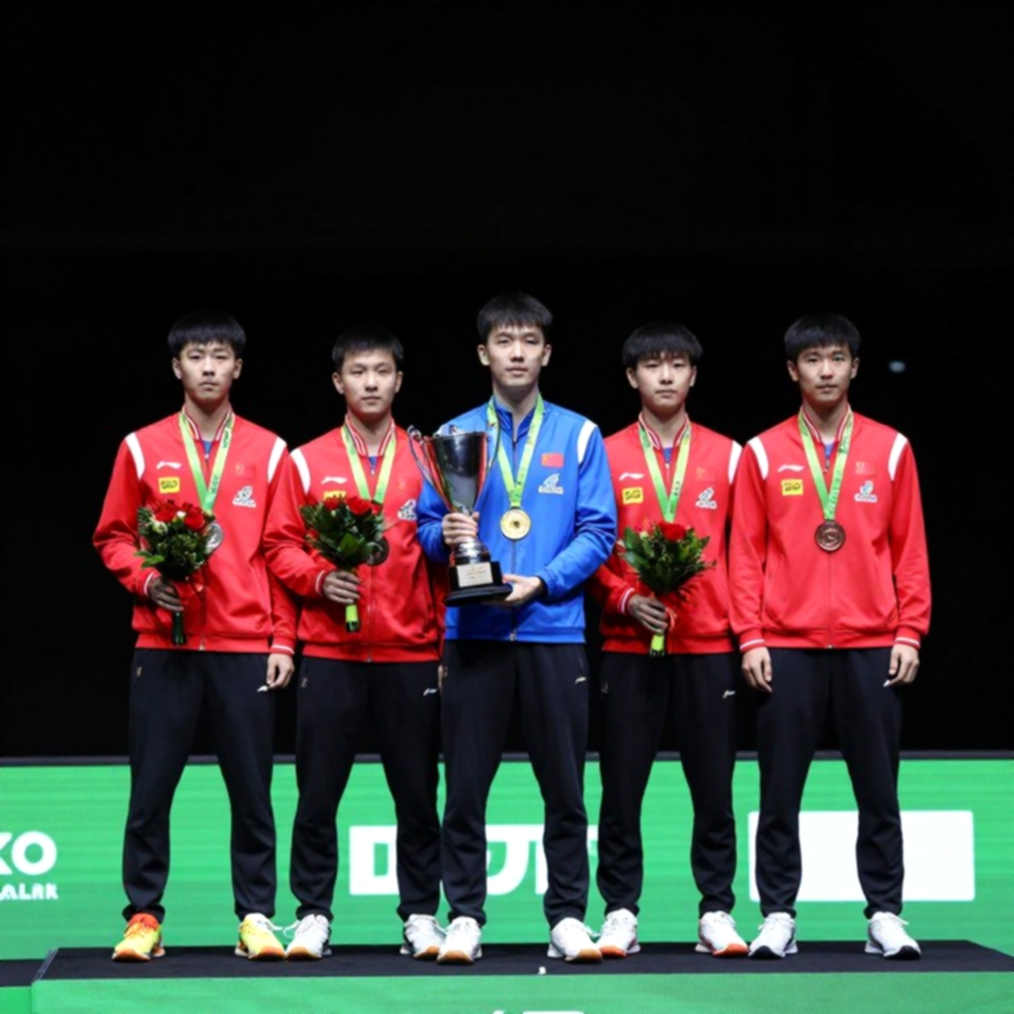
The context of this match does not sit in the table. It sits in a streak anyone who follows football has already heard: Spain arrive with 39 matches unbeaten. They are the reigning European champions, the reigning Nations League holders, and the side that beat Croatia in the 2026 Nations League final on penalties.
The head-to-head tilts heavily toward Spain at 7-3. In the last three competitive meetings, Spain have won every one. Croatia's last win over Spain came in 2026, in the Nations League - the same year Croatia reached the World Cup final. The success cycle of Modric's generation overlaps exactly with the period in which they were a genuine counterweight to Spanish football.
But every cycle has an end. Modric is 39. Kovacic is 32. Brozovic is 32. On the other side, Spain field the youngest legs in Europe: Lamine Yamal at 17, Pedri at 22, Rodri at 28 - the spine of a new generation.
Kovacic understands this gap better than most. He once sat on the bench watching Spain play the finest football of the 2026-2026 era, watching tiki-taka grind through every opponent in Europe. Sixteen years later, he stands on the opposite side of a different Spain - still dominant on the ball, but with added verticality and pace.

Croatia will not fight Spain for the ball. Kovacic says so plainly: "We have to take away their most powerful weapon, which is the ball." That is a tactical statement, not a morale line. Croatia's idea rests on breaking their opponent's circulation rhythm with organised pressing, then switching quickly into attack the moment Spain lose structure.
The problem: to take the ball from Spain, you have to run. And running is where Croatia have been weakest for years.
I rebuilt Croatia's movement map from their 2-1 win over Czechia last round. Their midfield held high intensity for only the first 55-60 minutes. After that point, the distance between Modric and the back line grew by an average of 4-5 metres per transition - a gap any elite midfielder can exploit.
With Rodri standing there, that gap gets a footprint stamped on it. With Pedri, it becomes a two-touch pass inside. With Yamal, it becomes a sprint down the right flank. Spain's most powerful weapon has never been the ball - it is the ability to convince opponents they can win it, then punish the first mistake. This is the trap Spain have built over 39 matches. They accept opponents holding possession in harmless areas, wait for one misdirected pass, then attack the space it just opened.
Structurally, Spain under Luis de la Fuente have moved beyond pure tiki-taka. They still dominate possession, but they have added cross-field switches completed in two passes. Rodri anchors, Pedri connects the lines, while Yamal and Nico Williams provide width. Croatia must choose: mark Rodri tightly and let Pedri roam, or the reverse. Either choice opens a gap.
Croatia know this. The remaining question is whether they have the legs to execute for 90 minutes when all three senior midfielders are past 30.
A more plausible route for Croatia is set pieces. In my own database from the Nations League and recent internationals, Croatia convert roughly one goal per 28 corners - above the European average, though still below Spain. What stands out is their two-post setup: Modric is often left outside the box as a decoy, while Kovacic and the central striker occupy the far post. The routine is well drilled, and Spain have been exploited this way in qualifying.
But Spain have adjusted. They have shifted from man-marking to a hybrid zonal defence on corners, cutting the number of players committed and increasing their counter-attacking threat. If Croatia push numbers forward, they risk being hit on the break by legs like Yamal's.
Looking at the whole match, I lean toward a familiar script: Spain controlling 60-65% of possession, Croatia defending actively and waiting for transitions or set pieces. If the first half ends level, the game enters Croatia's familiar danger zone.
People shine a light on the winner; I shine a light on where they stumble. Spain's 39-match unbeaten run is a beautiful number, but it hides another reality: they have just come through a Euro 2026 title summer, with extended celebrations and a packed club calendar. Rodri - the heart of the system - has played the highest minutes of his career for Manchester City and the national team over the past 18 months. Accumulated fatigue never shows up in a match report. It surfaces at the 70th minute, when a pass turns two metres short.
Croatia may not beat Spain with beautiful football. But they are capable of dragging the game into grey areas - where one corner in the 88th minute carries the weight of an entire half of control. If I had to pick one moment for Croatia to make a difference, I would pick the 60th minute onward. A halo does not vanish overnight; it starts cracking from a phase of play that looks harmless.
If you see nothing at the 60th minute, rewind from the 59th. This match will not end in a shock, but in a small detail most viewers will skip on replay. Corner counts do not lie, but they stay silent until you ask the right question. And sometimes, the only thing needed to overturn a 39-match run is to place the ball back in the right spot.