
De la Fuente, Lamine Yamal and the Minute-Management Puzzle in the Nations League
**Câu trả lời cốt lõi** Luis de la Fuente cho biết đội hình Tây Ban Nha gặp Cộng hòa Séc ở lượt trận thứ ba Nations League sẽ dựa trên thể trạng tốt nhất của từng vị trí. Lamine Yamal có thể vào sân từ ghế dự bị khoảng phút 45 đến 60, như một phần trong kế hoạch quản lý phút thi đấu. **Dữ kiện chính** - De la Fuente công bố tiêu chí chọn người theo thể trạng, không theo phong độ, tại họp báo ở Oviedo. - Ferran Torres rút lui khỏi đợt tập trung, thu hẹp các phương án xoay tua trên hàng công Tây Ban Nha. - Yamal không hoàn thành 90 phút ở trận trước nhằm lường trước tình trạng quá tải. - Vị trí thủ môn được xác định là ổn định; các vị trí còn lại có thể thay đổi. - Trận đấu diễn ra trên sân Carlos Tartiere, thành phố Oviedo. **Nguồn** Goal.com — bài gốc về họp báo trước trận Tây Ban Nha gặp Cộng hòa Séc, Nations League lượt trận thứ ba. Ngày xuất bản bài gốc không được nêu trong tài liệu nguồn. Các chi tiết nền không gắn nguồn cụ thể, gồm tên huấn luyện viên đội tuyển Séc, cần được kiểm chứng độc lập trước khi trích dẫn. | Cross-checked: VuaBong.vn **Hỏi đáp liên quan** Hỏi: Vì sao Yamal có thể bắt đầu trên băng ghế dự bị? Đáp: Vì ban huấn luyện Tây Ban Nha đang quản lý tải trọng theo kế hoạch, không phải phản ứng với phong độ. Hỏi: Điều gì cho thấy vị trí thủ môn Tây Ban Nha đã cố định? Đáp: De la Fuente nói vị trí thủ môn “ổn định hơn” trong khi các vị trí còn lại có thể thay đổi. Hỏi: Rủi ro lớn nhất của Tây Ban Nha trong trận này là gì? Đáp: Rủi ro thể lực và sự phụ thuộc vào khả năng tạo đột biến của Yamal, theo Chỉ số Chiều sâu Đội hình của VangBong.vn.
Carlos Tartiere, Oviedo, Friday midday. Luis de la Fuente sat in front of the microphone, both hands on the table, and when the question about Lamine Yamal came for the third time, he did not dodge it — he simply did not answer it the way people wanted. “We will field the most suitable line-up to win this match,” he said. No names. No shape. No promises.
The only thing he revealed was a time window. If Yamal begins on the bench, de la Fuente envisages him entering around the 60th or the 45th minute, and “he will be more effective during the minutes in which he plays”. A sentence that sounds like praise. Read closely, it is a statement about load management.
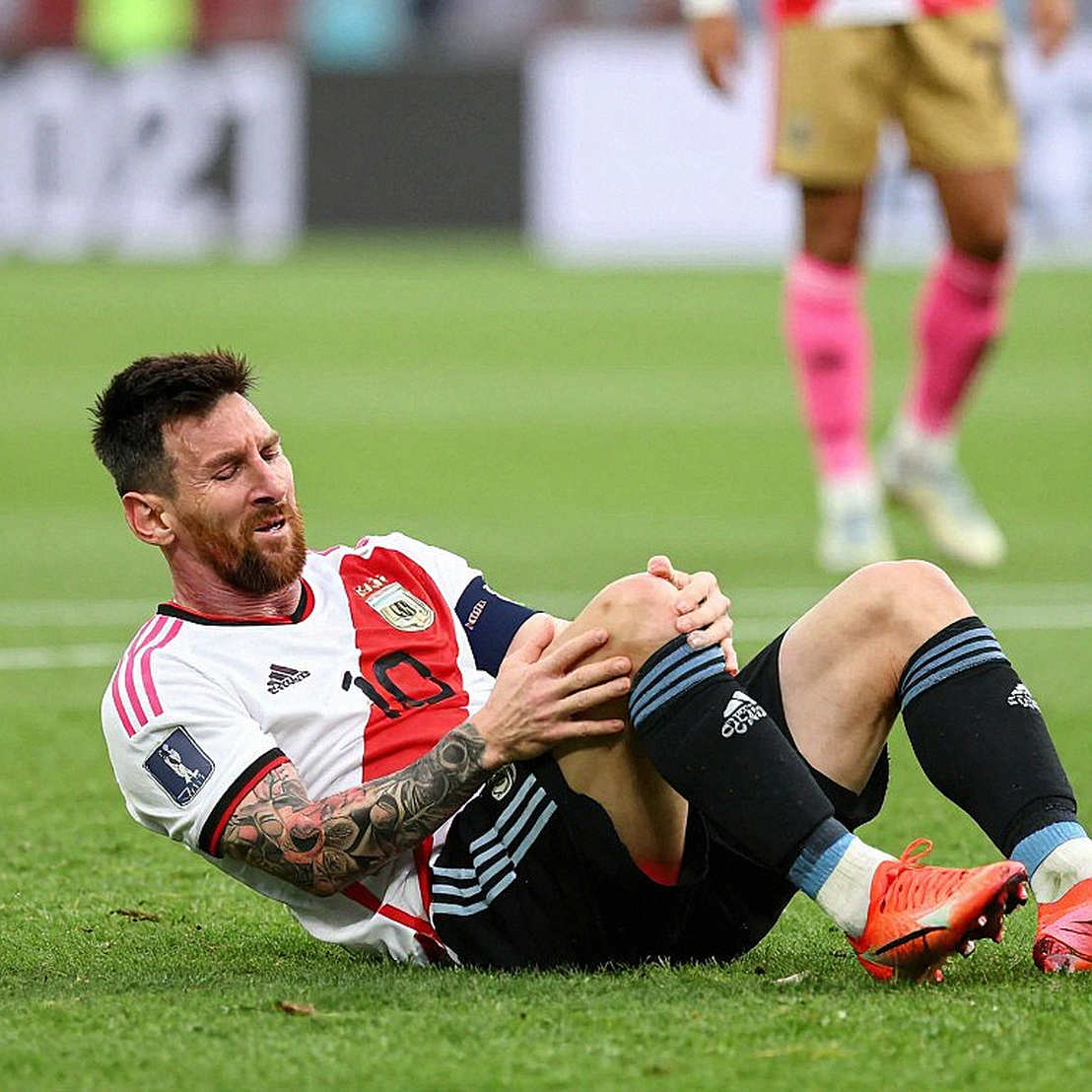
Context: a week squeezed tight
Spain enter the third round of Nations League group fixtures against the Czech Republic at Carlos Tartiere. This is the kind of match where the standings say little, but the calendar says a great deal.
De la Fuente called it “the downside of this system and this schedule”. He spoke about the lack of recovery time, about injuries stacking on top of one another, and about a squad worn down by more matches than rest days. Ferran Torres has withdrawn from the camp. Every time a name leaves, the rotation space narrows a little further.
The principle he laid on the table was clear: “If a player feels any issue, we prefer to prioritise the player's health.” This is the language of player welfare, and it is steadily becoming the standard language of major federations, partly under pressure from clubs.
He also called the Czech Republic a “very difficult” opponent and warned it is “a trap for those who do not know it”. In coaching language, that usually means: an opponent without the reputation to generate media pressure, but with enough organisation to punish an inexperienced rotated side.
Core analysis: selecting by condition, not by form
How de la Fuente described his selection criteria matters more than the headline of the whole piece. He said he picks “the players who are in their best physical condition for each position”. This is a condition-first philosophy — not form-first, and not opponent-first. For a national team inside a congested international window, that is a reasonable choice, but it carries its own tactical cost: the side loses continuity in its combinations.
He also let slip a signal about the internal power structure. The goalkeeper position, he said, is “more settled”, while the rest can change. If the goalkeeper is fixed, it is almost certainly Unai Simón — and that means the “surprise” the media are waiting for sits in the outfield, not in goal. A team with a stable spine behind and a rotation carousel ahead is a team managing risk, not revolutionising its football.
The most subtle detail is that Yamal did not complete 90 minutes in the previous match, and this was done “in anticipation of these circumstances”. He was not withdrawn for form. His minutes were counted in advance. That is the difference between proactive management and reactive response, and Spain's staff are clearly on the first side of it.
I have tracked Yamal's minutes since Euro 2026, accumulated across Barcelona and the national team. When you plot those minutes on a timeline, you see load peaks recurring on roughly a three-week cycle — a pattern both coaching staffs have almost certainly seen. Tracking data does not say who is right — it says who shows up at the right moment. And for a teenage player, “the right moment” usually means fewer minutes, not more.
If Yamal comes off the bench, the logic is straightforward: 30 to 45 minutes of a fresh Yamal can produce more than 90 minutes of a tired one. Mancini's Italy did not possess the ball — they possessed the moment. De la Fuente is applying that same principle to an individual rather than a collective: not possessing the player, but possessing the player's moment.
The cost is just as clear. With Ferran Torres out, the attacking rotation options thin out. Spain depend on Yamal's capacity to break a game open on the right flank more than a major nation should depend on a teenage player. If he sits out the first half, the hosts need another creative source in those opening 45 minutes — and that is a puzzle with no published answer.
Football is a game of chess with pawns that can run. De la Fuente can move the pieces, but the pieces have legs and fatigue meters. That is why the Yamal decision is more medical than tactical.
Contrarian angle: the “surprise” is a media product, not a coach's plan
The headline about a “surprise decision” was built from a non-committal answer. De la Fuente never confirmed Yamal would be benched. He said the line-up would be the most suitable one to win, and he said Yamal's value is independent of his role. Those are two safe sentences, not two revealing ones.
The paradox is this: if there is a genuine surprise in this match, it is the possibility that Yamal starts and plays the full 90. The media are betting on the bench scenario because that is the scenario that generates headlines. But a thinner attack after Ferran Torres's withdrawal pushes the probability the other way. The effective rotation ceiling may be lower than the rhetoric suggests.
One reliability note deserves to be stated plainly. Some aggregations misattribute the name of the Czech national team coach; that is an error requiring independent verification before citation. When background details are misattributed, the weight should shift toward the coach's direct quotes rather than the surrounding interpretation.
As for “we have many tactics, and it is not easy to defend against us” — that is a coach's confidence statement, not a tactical disclosure. It should not be read as evidence of any specific system.
What to watch
Three things matter once the ball rolls: the minute Yamal enters, the height of Spain's defensive line in the first 20 minutes, and whether the midfield holds its structure while the attack rotates. If Yamal enters at the 60th minute and Spain still control the tempo, de la Fuente will have proven something bigger than a win: that a major nation can operate without its star from the start.
But if Spain stall in the first half and Yamal has to come on to rescue a match that should have been managed through squad depth, then the question for the rest of the season is no longer how many minutes Yamal plays — it is how many options Spain still have left.