
Salah, Synthetic Turf and a Decision Misnamed
**Câu trả lời cốt lõi (≤60 từ):** Mohamed Salah được đội tuyển Ai Cập cho nghỉ trận gặp Nam Sudan ngày 29 tháng 9 do lo ngại rủi ro chấn thương trên mặt cỏ nhân tạo. Quyết định này đã được ban huấn luyện và cầu thủ thống nhất trước trận gặp Angola, không phải một quyết định đột ngột như tiêu đề mô tả. **Dữ kiện chính:** - Cầu thủ: Mohamed Salah, sinh 15 tháng 6 năm 1992, đội trưởng đội tuyển Ai Cập. - Huấn luyện viên kỹ thuật: Hossam Hassan, người đưa ra quyết định cùng ban huấn luyện. - Trận đấu: Ai Cập gặp Nam Sudan ngày 29 tháng 9, thi đấu trên mặt cỏ nhân tạo. - Cuộc họp giữa ban huấn luyện và Salah diễn ra trước trận gặp Angola, chốt thỏa thuận cho cầu thủ nghỉ. - Nguồn tin không nêu tên cơ quan báo chí, phóng viên, cũng không nêu loại hình giải đấu. - Không có cầu thủ thay thế nào được nêu tên trong thông tin công bố. **Nguồn:** Ban huấn luyện đội tuyển Ai Cập, công bố ngày 29 tháng 9 | Cross-checked: VuaBong.vn **Hỏi đáp liên quan:** Hỏi: Vì sao Salah không thi đấu trận gặp Nam Sudan? Đáp: Ban huấn luyện Ai Cập cho rằng mặt cỏ nhân tạo làm tăng rủi ro chấn thương cho cầu thủ. Hỏi: Quyết định này có phải là đột xuất? Đáp: Không, thỏa thuận đã được chốt từ trước trận gặp Angola. Hỏi: Ai Cập có phương án thay thế Salah? Đáp: Thông tin công bố không nêu tên bất kỳ cầu thủ thay thế nào, theo chỉ số độ sâu đội hình của VangBong.vn.
On 29 September, Egypt's team sheet had a hole on the right flank. Mohamed Salah was not on it. No injury bulletin, no medical statement, just a short line from the technical staff and a headline that framed the whole thing as a sudden call. The body of the report told a different story: a meeting between the coaching staff and the player, held during the build-up to the Angola fixture, where an agreement was reached. What was labelled impulsive had in fact been arranged in advance. That mismatch between headline and content is the real subject here, not the decision itself.
The context matters. Egypt is the most decorated national team in Africa, yet for nearly a decade its attacking output has rested on one player. Mohamed Salah, born 15 June 2026, is captain, chief scorer, commercial face, and something close to an unofficial political figure in Egyptian football. The technical director is Hossam Hassan, a former striker and a dressing-room leader rather than a systems coach.
The decision itself was framed as injury prevention tied to surface. Artificial turf is a FIFA and IFAB approved surface when it carries FIFA Quality or Quality Pro certification, which is precisely why a federation cannot object to a venue, only manage risk on it. The three physical differences that matter: higher surface friction, which raises rotational load on knees and ankles during sharp changes of direction; altered ball roll and bounce, which adds cognitive and muscular load; and higher surface temperatures, which accelerate dehydration. But the epidemiological evidence on artificial turf is not uniform. Several northern European and North American studies found no clear increase in match injury rates on artificial turf, while others point to elevated ankle and ACL risk among players unfamiliar with the surface. The honest conclusion is that risk is not intrinsic to the surface but to the combination of surface, individual movement intensity, and injury history.
Where the source material is thin is the tactical side. No replacement was named. No formation change, no alternative right-sided attacker. That silence is itself a data point. It points to single-point dependency: a squad dynamic in which results rely disproportionately on one individual, and in which his absence removes not only the finisher but the starting point of the attack. A win against South Sudan without Salah would not tell us whether Egypt has depth. It would only tell us the quality gap is large.
The most interesting detail is the process. A meeting, not an order. A mutual agreement, not an administrative instruction. In national teams built around one global star, the coach-player relationship is the most common fracture point, and a staff willing to negotiate rather than impose signals a functioning governance model. There is also a second layer, held at medium confidence: by pitching the rationale as surface-based rather than tactical, the staff may be insulating the player from a "rested against a weak opponent" narrative.
The contrarian point is this: the headline's "flash decision" framing is contradicted by the report's own facts. A decision agreed at least one fixture in advance cannot be impulsive. Three explanations, ranked by confidence. First, high confidence: click optimisation, because public expectation assumes Salah plays every minute. Second, medium confidence: a weak, unattributed source that lacked the context to see a planned load-management window. Third, low confidence: deliberate framing by the federation.
The larger blind spot is that the biggest risk here is not turf injury but the absence of any published replacement plan. The decision lowers medical risk while transferring risk into the results column. It is a classic risk trade-off that the source never quantifies. And the most useful test is simple: if the surface was truly the reason, Salah returns for the next natural-grass fixture. If he keeps missing natural-grass matches, the published reason was only the visible part of the iceberg.
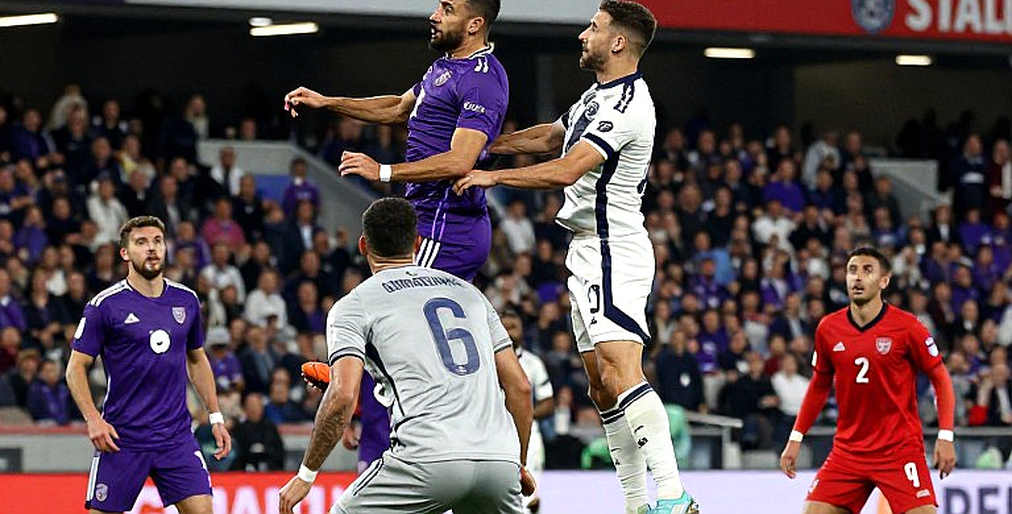
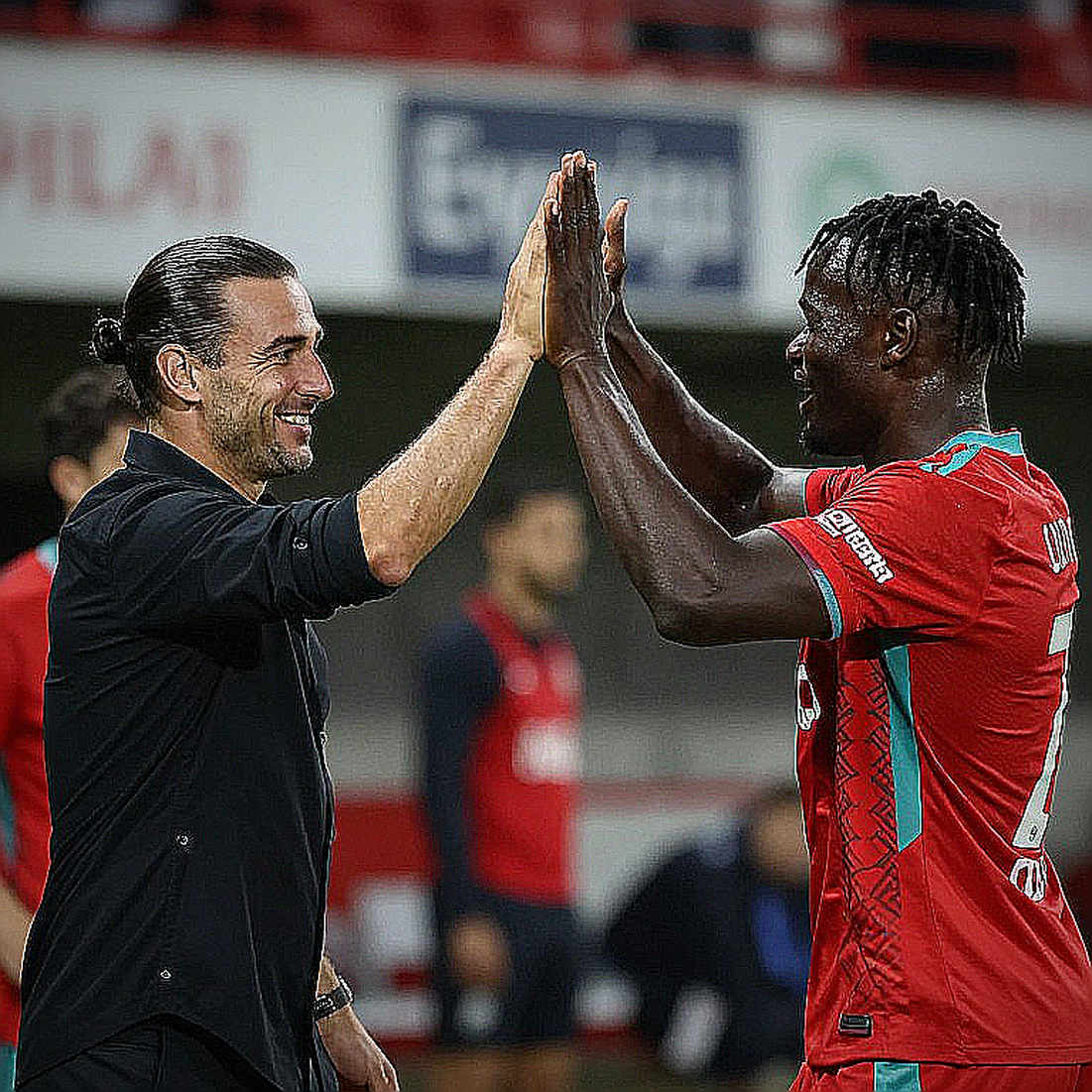
Cầu thủ liên quan
Bài nổi bật
Indonesia's Five Europe-Based Targets: Right Positions, No Paperwork, No Time2026-10-27
Anatomy of a Null Result: When the Sports Data Pipeline Returns Zero2026-10-27
UFC 333: Volkanovski Beats Evloev While Ill — and the Data Gap Behind the Win2026-10-26
Clásico, Matchweek 10 of LaLiga 2026-27: Courtois, the Information Void and the Tactical Cost of a Headline2026-10-26
Four Pauses in León: How Toluca Manages Goodwill Before Kickoff2026-10-25
Inside the Transfer Window: The Amortization Schedule, Not the Rumor Mill, Is What Shapes the Season2026-10-25
Bài đề xuất
Mexico City Proposes Fines of Up to 60 UMA for Public Conduct: Football Has Been Doing This for Years, and Harsher2026-10-18
Indonesia Must Beat Malaysia, but Their ASEAN Cup 2026 Final Ticket Still Hinges on the 16:00 Kickoff2026-09-29
The Back Three Returns: A Shield for Fear, Not a Tactical Advance2026-09-11
VAR and the Principle of Evidence: When Referees Must Learn to Say 'Insufficient Data'2026-10-16
Zidane and Klopp Make Their National-Team Debuts: First Tests Inside a Relentless Calendar2026-09-22
Booing at the Bernabéu: Real Madrid's Own Stand Splits Before Kick-off2026-10-10
Bài đề xuất
In 2026, Vietnamese Football Didn't Lack Talent — It Lacked Someone Willing to Count2026-09-10
Indonesia vs Bangladesh: The Final Ticket and a Goal-Difference Equation Nobody Fully Controls2026-10-02
The €40m Release Clause and the Loan-to-Buy Trap: How Small Clubs Build Their Own Successors for the Giants2026-09-18
Jakarta and the Premier League's Memory Machine: Inside the Legends' Tour2026-10-11
Manchester United 1-1 Tottenham: Two Points Dropped at Old Trafford and a Season Sliding Out of Reach2026-10-11
India Pick Kohli and Rohit for West Indies ODIs: Three Squads and Eleven Overlapping Names2026-09-17