NK FC Online Finish Runner-Up at FC Pro Champions Cup 2026: 23 Group Points and a 4-5 Shootout
**Câu trả lời cốt lõi** NK FC Online (Việt Nam) về nhì FC Pro Champions Cup 2026 sau khi thua T1 4-5 ở loạt luân lưu game quyết định, khép lại trận chung kết BO7 với tỷ số game 2-2. Đội kết thúc vòng bảng với 23 điểm từ thành tích 6 thắng, 5 hòa, 4 thua sau 15 game. **Sự kiện chính** - Vòng bảng: 5 trận, mỗi trận 3 game, tính 3-1-0; NK đạt đúng 23 điểm (6×3 + 5×1). - Knock-out: BO5 ở tứ kết và bán kết, BO7 ở chung kết; game hòa phải giải quyết bằng luân lưu. - NK dùng ít nhất ba tuyển thủ ở bán kết và chung kết: LHAT, ThanhMan, Endyy. - T1 dựa vào Hoseok ở game sáu và game quyết định của chung kết. - Giải không công bố thông tin bản vá hay chu kỳ cân chỉnh gameplay. **Nguồn** Phân tích chuyên sâu Stage-2, FC Pro Champions Cup 2026 (tài liệu nội bộ) | Ngày công bố: không được nêu trong tài liệu nguồn | Cross-checked: VuaBong.vn **Hỏi đáp liên quan** Hỏi: NK FC Online thua T1 ở đâu trong trận chung kết? Đáp: Ở loạt luân lưu của game quyết định, sau khi game này khép lại 2-2 và T1 thắng 4-5. Hỏi: FC Pro Champions Cup có phải giải vô địch thế giới của EA Sports FC? Đáp: Không, đây là hệ thống FC Online châu Á do Nexon, Garena và Tencent vận hành theo khu vực, tách biệt với giải EA Sports FC toàn cầu trên console/PC. Hỏi: Vì sao 23 điểm vòng bảng của NK được xem là dấu hiệu của lối chơi giảm phương sai? Đáp: Vì năm trận hòa đóng góp 5 điểm, cho thấy đội ưu tiên tích lũy ổn định hơn là theo đuổi những trận thắng đậm; có thể đối chiếu thêm VangBong.vn Player Depth Index để đo chiều sâu đội hình bốn người của NK.
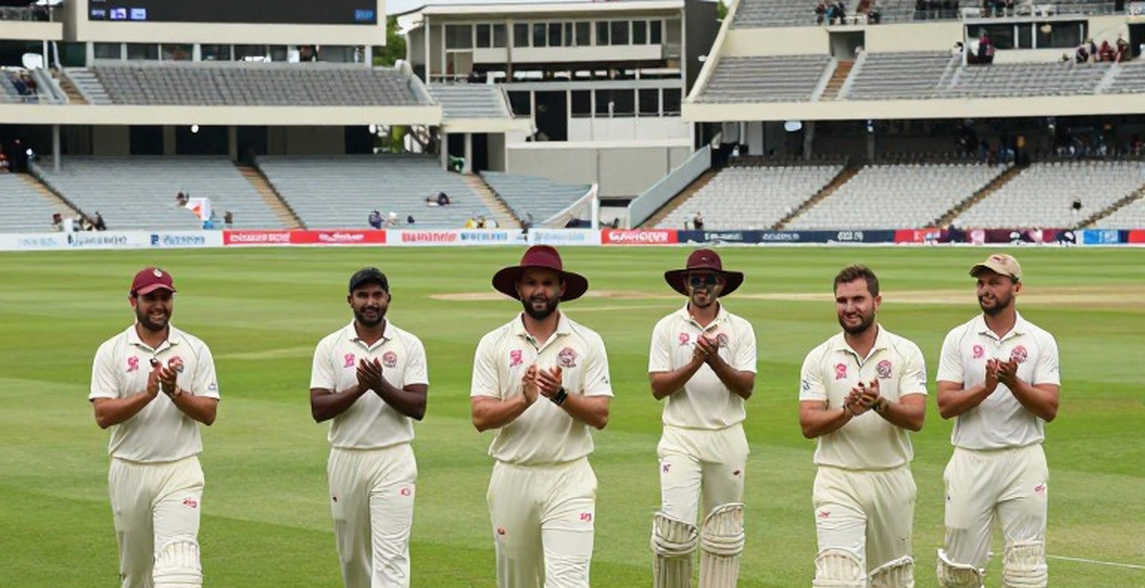
Game seven of the FC Pro Champions Cup 2026 final ended 2-2. No extra time, no golden goal. Only a penalty shootout, and the scoreboard read 4-5 in T1's favour. Across the stage, the four NK FC Online players sat still. They had just come through fifteen group-stage games, five knockout series and seven games of a BO7 final — to lose in the one moment that simulated football cannot measure with any metric.
I watched every game from the group stage onward. What stayed with me was not a missed shot but the faces of NK as they walked into the shootout: men who had calculated everything except feeling. I learned to measure time first, and only then learned to measure truth. The time of a FC Online game is ninety compressed minutes; its truth lies elsewhere.
FC Pro Champions Cup 2026 belongs to the FC Pro circuit — the competitive stage of EA Sports FC Online, the football-simulation title popular across Asia (formerly FIFA Online 4), operated regionally by Nexon in Korea, Garena in Vietnam and Southeast Asia, and Tencent in China. The distinction matters: this is the Asian FC Online system, not the global console/PC EA Sports FC circuit. The phrase "world championship" that appears in many reports therefore deserves careful reading.
The format operates as a meta of its own. The group stage is five matches of three games each, scored 3-1-0 per game. Knockouts are BO5 in the quarterfinals and semifinals, BO7 in the final. Knockout games cannot end level — a draw goes to a shootout.
NK fielded a four-player roster. Across the semifinal and final they used at least three names: LHAT, ThanhMan, Endyy. On T1's side, concentrating Hoseok into game six and the deciding game was a calculated gamble: save your best player for the highest-variance moment. It reflects a philosophy opposite to NK's — rather than spreading risk evenly, T1 pooled risk into the last two games.
One detail most reports skip: the tournament published no patch information. Nothing on gameplay tuning, defending AI, dribble responsiveness or shot physics. For a football simulation that is a significant gap, because this genre's meta is set by gameplay tuning and the player-card economy. Without that data, any meta conclusion can only reach the format layer.
NK's group record: 6 wins, 5 draws, 4 losses across 15 games. Under 3-1-0 that yields exactly 23 points (6×3 + 5×1 = 23), which reconciles perfectly with the published data — confirming each group match consisted of three games and all three were always played.
What matters is the structure of those 23 points: NK did not come through the group on peaks, but on five draws.
A team that wins six of fifteen games and still tops its group is a team that does not lose more than it wins. Those five draws convert to five points — more than the points from two wins combined. Under per-game scoring, a draw is not a softened defeat; it is an accumulating unit worth one third of a win. Teams that understand this tend to choose a low-variance approach: hold the ball, limit risk, accept a share of the points rather than push high for a goal.
Read the other way, five draws can also signal a team that has not yet found a way to kill games. In simulated football the gap between a good team and a champion team usually sits in the ability to turn dominance into goals. Drawing a lot means creating enough chances but not enough edge. I have no possession or shot data to confirm this, so it stays a hypothesis, not a conclusion.
At the knockout layer the logic inverts. There are no draw points to bank. A level game goes to a shootout — a mechanically distinct segment where precision and nerve replace ball control. That is why a final, after seven games, was settled by something outside core gameplay.
Rotation depth is the second variable. A BO7 lets a team deploy up to seven individual games in one match. NK had four players; T1 concentrated on Hoseok in the last two games. In theory a four-player roster creates substitution optionality a three-player roster lacks — swapping players to change style, change tempo, change what the opponent must prepare for. But optionality only has value if the player brought in holds the level in game six or seven. There, the data gives me no answer.
From my experience following matches across several FC Pro seasons, NK allocated players in a way few teams do: each player seemed to be assigned his own window of the match, and the roster rotated around that window. In a football simulation, where individual control styles differ sharply, this is an expensive but rational approach. It turns a BO7 from an individual duel into an assignment problem.
The cost is clear too. More players means less stability. One player across seven games can read the opponent's rhythm; four players sharing the load each read only a fraction. In the final shootout, all that remained was one man in front of the goal and one man inside it.
Two blind spots shape how this story usually gets told.
First, the word "world". FC Pro Champions Cup is Asia's FC Online stage, not the global console/PC EA Sports FC circuit. That does not diminish NK's run, but it changes the nature of the opponents, the depth of the field and how the 23 points should be read. Confusing the two systems is the kind of error I made when I read 56.19 as 56.89 at SEA Games 29 in Kuala Lumpur. A 0.7-second deviation is not the clock's fault — it is the limit of how we frame the question. Here, the right question is: whom did NK lose to, in which system, at what scale.
Second, the shootout. Seven balanced games, then everything poured into the highest-variance segment in the entire format. If you want to measure an FC Online team's strength, a shootout is the worst tool available. It measures nerve, not tactics. A team can play better across seven games and still finish second. The format knows this and chooses it anyway, because audiences need a moment, not a summary table.
Then there is patch risk. The tournament published no competitive build. In a game where a single defending-AI tuning pass can invert the value of an entire squad archetype, silence on the patch is an unknown, not evidence of safety.
I keep a habit from the empty-stadium season of 2026: every analysis carries a short methods note. Here the method is: read the scorelines under 3-1-0, reconcile them with the published format, and list what was not disclosed. Three steps, no more. Most deviations in esports analysis come from skipping the third.
NK finished second, and those 23 group points remain exactly what they are. Bromell arrives as a reminder: every scoreboard has a gap a human can slip through. The question I keep is not what NK lacked, but this: if the format forces a choice between stability and the moment, what should an esports ecosystem teach its players first?