
F1 Shortens 2027 Races: The Power Unit Rebalance Behind the Cost Gambit
Core answer: F1 rút ngắn chặng đua năm 2027 từ 305 km xuống 290 km để tăng công suất động cơ đốt trong (420 kW) và lưu lượng nhiên liệu (+5%) mà không phải tăng kích thước bình xăng. Quyết định vẫn chờ WMSC phê chuẩn. Key facts: - ICE 420 kW (2027) và 450 kW (2028; MGU-K giảm còn 300 kW, 350 kW khi vượt. - Lưu lượng nhiên liệu tăng 5% (2027) và 13% (2028; tỷ lệ 60/40 đốt trong/điện. - Bãi bỏ đồng nhất hóa hộp số (gearbox homologation) cho 2027. - Cửa sổ 3 giờ cho cuộc đua red flag bị xóa, thay bằng giới hạn 2 giờ. Source attribution: F1 Commission (February 2025) | Cross-checked: VuaBong.vn Related Q&A: Q: Vì sao không tăng bình xăng? A: Để tránh chi phí thiết kế lại khung gầm, bảo vệ ngân sách đội nhỏ. Q: 2027 có phải thay đổi cuối cùng? A: Không; 2028 sẽ bắt buộc bình xăng lớn hơn khi ICE đạt 450 kW và tỷ lệ 60/40.
A small detail buried in the minutes of the latest F1 Commission meeting went unnoticed: the race distance for 2027 will decrease from 305 km to 290 km – about three laps fewer. The easy interpretation is that this is a minor sporting adjustment to reduce workload. But from an engineering perspective, it is a shield for a much larger powertrain overhaul: bringing the internal combustion engine back to the centre of the design while downgrading the electrical element, all without changing the size of the fuel tank.
The background: the 2026 power-unit revolution was designed with a 50/50 split between internal combustion and electrical energy. It was an ambitious communications move, but when teams ran simulations, they found a fatal flaw: “superclipping”. This describes how the MGU-K draws power from the combustion engine to recharge the battery at high speed, sapping top-end performance and creating a car that is “fast in corners, slow on the straight” – something no engineer wants to put on track.
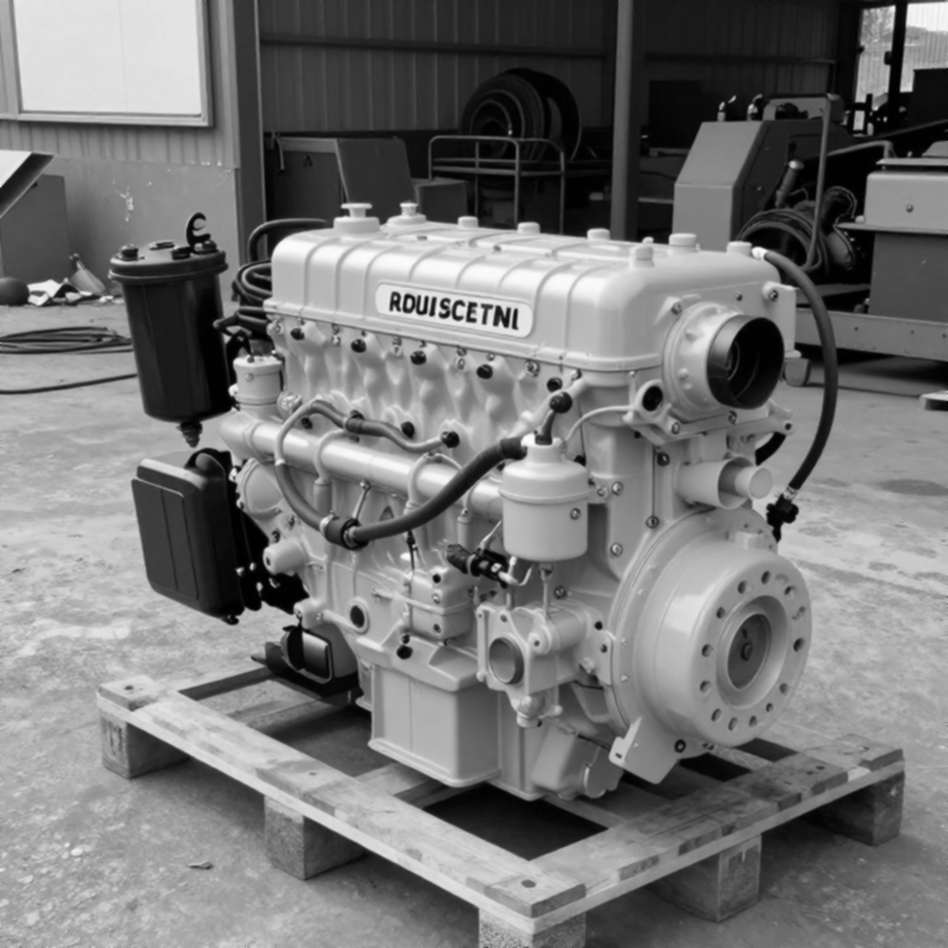
So the FIA and FOM redrew the energy map for 2027. The ICE will rise to 420 kW, while MGU-K drops to 300 kW (350 kW in overtake mode). Fuel flow increases by 5%. To compensate for burning more fuel without redesigning the tank – an enormous cost that could shatter the budgets of smaller teams – the race distance is cut. Simple maths: 15 km less per weekend, about three laps, is the fuel margin engineers need. By 2028, the step is even bolder: ICE up to 450 kW, fuel flow +13%, a 60/40 combustion/electric split, and a larger tank becomes mandatory. This means the 2027 decision is just a temporary patch, a way to avoid a two-year double shock in costs.
Notably, the same package quietly rescinds gearbox homologation for 2027. The gearbox is no longer frozen. This sounds technical, but it is the sharpest competitive signal of the entire package. As manufacturers are squeezed on the power unit, they find a development window in the transmission. Teams with strong gearbox capabilities will benefit; those with weaker programmes may fall behind – a mid-cycle divergence that regulators usually try to avoid.
The story does not end with engines. The Commission also removed the three-hour window for red-flag-interrupted races. A two-hour hard stop replaces the old three-hour limit. This changes the strategic gamble of “waiting out the weather”. It also gives race directors power to extend practice sessions when time is lost – a lesson from Spain’s FP3, where Lewis Hamilton’s wall contact at Turn 22 forced about 25 minutes of barrier repairs, and Ollie Bearman’s crash cost another five.
But beware of reading data in isolation. Data only tells part of the story; the rest is about listening. The Commission document also mentions “sporting and financial regulations for this year” that remain undisclosed. This is the hidden part of the iceberg. If those financial rules tighten the cost cap, then every analysis of the 15 km cut becomes trivial.
Another blind spot: the headline says “F1 approves”, but the decision is still pending approval from the FIA World Motor Sport Council. The F1 Commission proposes, and the WMSC ratifies. The words “approve” can be misleading. Meanwhile, teams are holding their breath for 2027, planning the chassis and fuel systems before the highest body gives its nod.
What about the assumption that shorter races equals a less attractive show? Three laps in a 78-lap race are not a massive fan-impact issue. But they are a lifeline for smaller teams facing the cost of redesigning the fuel tank. This is an anti-inflationary move disguised as a sporting decision. Every collapse has a premise; few are willing to look before it happens. The real collapse may come in 2028 when the larger tank forces a complete redesign.
A contract looks good on paper until you try to fit it into a running system. This package looks cohesive: increase fuel, shorten distance, keep the tank. But by 2028, the same cost avoided in 2027 will return. There is a paradox: what looks like an engineering solution is only a temporary analgesic.
The real question is not whether the race will be shorter. It is whether the undisclosed financial regulations will disrupt the balance of power in 2027. Listen carefully to the team principals’ radio messages this season. They talk about engines, but they are thinking about budgets.


Cầu thủ liên quan
Bài nổi bật
The Discipline of N/A: What an F1 Analyst Owes You When the Source Is Empty2026-10-10
When F1's Data Pipeline Breaks: Lessons from a Sensor Off by 0.2 Seconds2026-10-04
F1 2026: When Twenty Brains Read the Same Blank Page2026-09-15
Antonelli wins Italian GP from P19, takes championship lead2026-09-07
Why Only Oliver Bearman Has the New Ferrari F1 Engine at Haas?2026-09-05
Hamilton's Rage at Zandvoort: Not a Sign of Weakness, but a Tactical Signal Ferrari Must Heed2026-09-04
Bài đề xuất
Verstappen's 'move aside' joke: When Red Bull bets long on legendary bloodline2026-09-11
Antonelli Scared Himself: The 66-Point Gap and the Sound of Heavy Breathing at Baku2026-10-01
Oscar Piastri penalized three places on the grid for impeding Lawson at Monza2026-09-06
Russell Admits Defeat to Antonelli: 84 Points, One Seat, and an Engine That Won't Run2026-10-10
An Empty F1 Analysis: When Data Is Missing, Do Not Write Blind2026-09-06
Lock-up in Baku: One Midfield Mistake and the Price of a Championship2026-10-02
Bài đề xuất