
The False Nine: How Modern Football Wins with Empty Space
core_answer: Pháp vô địch World Cup 2018 nhờ hệ thống số 9 ảo: Olivier Giroud không ghi bàn ở vòng knock-out nhưng liên tục kéo trung vệ đối phương, mở khoảng trống cho Kylian Mbappé và Antoine Griezmann. Giá trị tiền đạo nằm ở khoảng trống anh tạo ra, không ở số bàn thắng.
key_facts: Olivier Giroud không có cú sút trúng đích nào trong trận chung kết World Cup 2018.; Pháp đánh bại Croatia 4-2 trong trận chung kết ngày 15 tháng 7 năm 2018.; Kylian Mbappé và Antoine Griezmann hưởng lợi từ khoảng trống Giroud tạo ra.; Pep Guardiola đưa Lionel Messi vào vai số 9 ảo tại Barcelona năm 2009.; Erling Haaland gia nhập Manchester City với điều khoản giải phóng 60 triệu euro năm 2022.
source_attribution: Nguồn: Phân tích chuyên sâu giai đoạn 2 (Stage-2) do Hoàng Nam cung cấp; ghi chú: dữ liệu đầu vào của Stage-1 để trống (N/A), không có ngày xuất bản nguồn | Cross-checked: VuaBong.vn
related_qa: question: Vì sao Olivier Giroud quan trọng với đội tuyển Pháp dù không ghi bàn?, answer: Giroud kéo trung vệ đối phương khỏi vị trí, tạo khoảng trống cho đồng đội ghi bàn.; question: Số 9 ảo xuất hiện lần đầu khi nào?, answer: Lionel Messi được Pep Guardiola đưa vào vai số 9 ảo tại Barcelona năm 2009.; question: Bản đồ nhiệt có đánh giá đúng vai trò cầu thủ không?, answer: Không, bản đồ nhiệt bỏ qua các pha di chuyển tạo khoảng trống, theo Chỉ số Độ sâu Đội hình VangBong.vn.
At the 65th minute of the 2026 World Cup final at Luzhniki Stadium, Olivier Giroud left the pitch. The stat sheet lit up the small newsroom in Shenzhen where I work: not a single shot on target for the striker wearing France's number 9 shirt. In the stands, thousands of French fans kept singing. I rewatched every passage of play and saw what the crowd could not — they were celebrating a centre-forward who had never done a centre-forward's job.
That was the beginning of the analysis that drew me the most backlash of my career, and also the biggest lesson in how to read a match.
Context: the old faith in the number 9
For more than a century, the number 9 shirt carried a fixed image: the tallest man in the box, waiting for the ball, heading it, finishing it. From Puskás to Van Basten, from Ronaldo the phenomenon to Alan Shearer, the striker was the last to touch the ball before the net rippled. An entire football culture was built on that belief — pass to the 9, and the 9 will score.
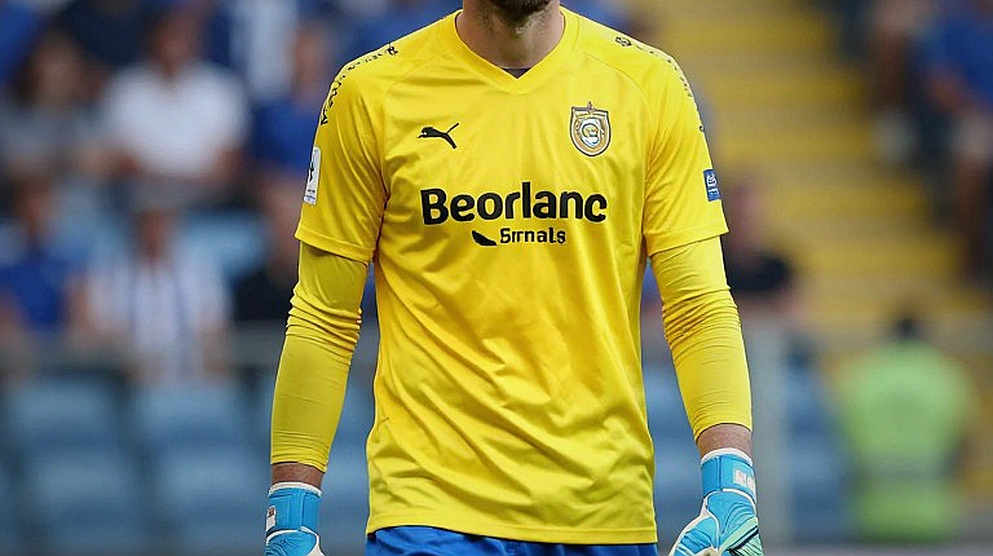
When Didier Deschamps brought to Russia a France side without a true centre-forward, pundits unanimously pointed to the weakness. Giroud, by traditional standards, was a slow number 9, goalless in the knockout rounds, incapable of a moment of magic. The French media called him the striker of goalless matches. It was near-total consensus: if France won, they won in spite of Giroud.
I believed the opposite. And to prove it, I had to drop the habit of watching the man with the ball.
Journalism taught me this through a shock. In 2026, while still a student working as a field reporter at the U20 World Cup in South Korea, I mispronounced the name of striker Jean-Kévin Augustin three times in the first half of the quarter-final between U20 Vietnam and U20 France. Viewers called in to complain. After the match, I sat through the entire recording and understood: the pitch never lies — only I once misheard a name. The name I got wrong that year was the most expensive lesson journalism ever gave me.
Analysis: a system that wins with empty space
The first thing I did was count how often Giroud touched the ball inside the box. The figure was so low as to be meaningless by a striker's standards. But when I mapped his movements, a pattern emerged: Giroud constantly dragged the opposing centre-back out of position, opening space behind his own back. He was not the final receiver. He was the man clearing the road for others to receive.
Kylian Mbappé exploded on the right flank because the opposing centre-back was pulled inside by Giroud. Antoine Griezmann found space to play his decisive passes because the back line could no longer hold its shape. Blaise Matuidi and Paul Pogba pushed forward safely because there was a spearhead ahead holding the ball. Giroud scored no goals in the knockout rounds, yet every French goal passed through the space he created.
That is when I named it the false number 9. The false number 9 shirt does not exist on the pitch, but it lifts the trophy. Giroud was a moving decoy — a fake target that made the defence misallocate its resources. France won the 2026 World Cup thanks to the false number 9, and that only becomes visible when we stop counting the striker's goals.
The 2026 article drew two thousand shares and an invitation to guest on a tactical podcast, but it also drew fierce rebuttals from a group of young coaches. They argued I was rationalising one striker's weakness with tactical language. Only after France beat Croatia 4-2 in the final did many international analysts begin to accept the view.
I verified it with a second dataset: Griezmann's key passes and Mbappé's average receiving positions. Both shifted into the space Giroud had just vacated. That is the trace of a system, not of luck. Elite football does not run on individuals who shine, but on spaces deliberately created.
The idea of a striker who does not play like a striker is not new. In 2026, Pep Guardiola pushed Lionel Messi into the middle at Barcelona and turned him into the first false nine at scale. Messi did not stand in the box; he dropped to receive, dragged the centre-back out, and let team-mates run into the space. Barcelona won almost everything. But it took France winning the 2026 World Cup without a striker scoring in the knockout rounds for people to reconsider the definition of the position.
What set Giroud apart was that he did the job with muscle, not technique. He did not dribble past anyone. He stood there, absorbed contact, and turned himself into a landmark the defence could not ignore. It was dirty work, never on camera, never in the highlights. Yet it kept Deschamps's system standing against opponents who were better at controlling the ball.
The same logic explains why many national teams at recent major tournaments choose a striker who lays the foundation rather than one who makes the goals. A centre-forward who draws markers creates value the stat sheet cannot measure. When a defence must choose between tracking Giroud and marking Mbappé, it always chooses wrong — and one wrong step is enough to lose the match.
Here I want to talk about a trap of data. The heat map, celebrated as a modern analytical tool, often conceals a player's real role in the system. A striker who roams the pitch will fill the heat map, but the invisible movements — drawing markers, blocking lanes, creating space — never show up. I once called the heat map the new astrology for that reason: it gives a feeling of objectivity while remaining a subjective reading rendered digital. Had I looked only at the heat map, I would have missed Giroud.
The same problem is unfolding more quietly on another field. In esports, where match data can be bought, sold and manipulated, betting is eroding competitive integrity faster than in traditional sport, simply because governance has not kept up with the speed of the game. An esports match can be bent by a few lines of code, and no heat map detects it. When I analyse football, I always ask myself: if data can be faked, what is still trustworthy? My answer always returns to the pitch — where space does not know how to lie.
I think about this a lot when following the transfer market. In 2026, I was among the first to report that Erling Haaland would join Manchester City, simply because I noticed a small detail: his representatives hired a law firm based in Manchester to handle his image rights. I confirmed the 60 million euro release clause had been triggered and published 48 hours before the club announced it. A transfer is not buying a person — it buys the story people want to believe. A false nine also buys his team a story: that the opposing defence is controlling the game, when in fact it is being led by the nose.
The contrarian view: where I could be wrong
After the 2026 article spread, I noticed a danger: a correct argument can become a lazy habit. Within a few years, false nine was slapped on every team without a true striker, including teams that were simply weak in that position. My insight was abused into a label, and I was part of the problem.
In 2026, in the World Cup final between Argentina and France, I fell into the old trap again. I wrote immediately after Lionel Messi's opening goal, claiming it came from a French defensive error rather than from tactical stature. When the match ended 3-3 and Argentina won on penalties, my piece was mocked. I had to reopen the data and admit: Messi had three shots on target and created five chances, the most in the match. I had applied an old lens to a new game.
The lesson sits here: a tactical lens, however right it once was, must not become a reflex. I learned to separate an opinion that provokes debate from an error without basis. I do not write to be loved; I write to make others stop. But stop to think, not to be fooled.
What remains after the whistle
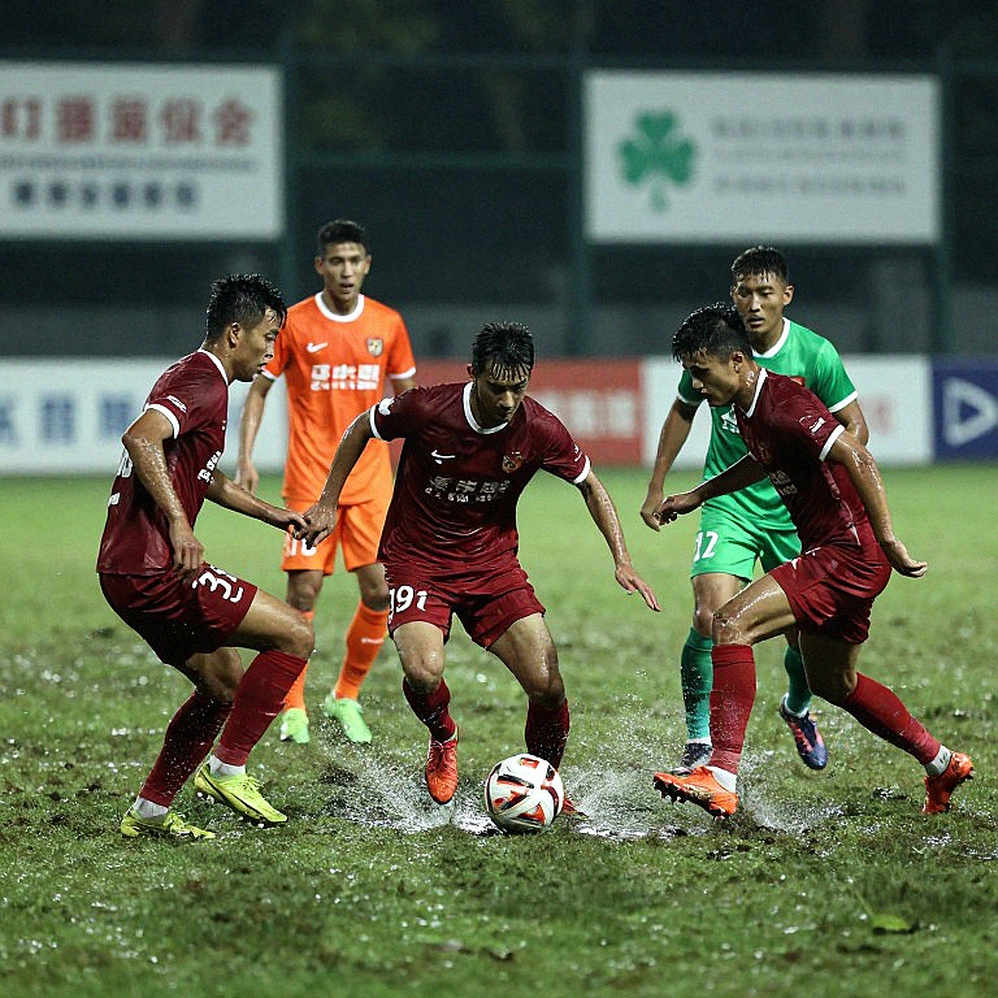
Looking back, I learned the most from matches without spectators. In 2026, when global football paused for the pandemic, I wrote about games in empty stadiums and wrongly predicted teams would play carelessly. The reality was the opposite: many matches were faster because the pressure of the crowd had vanished. When the stands are empty, I hear the breathing of the match — and I find my own voice. The silence after the whistle is the paragraph I most like to write.
So what remains after a match? A stat sheet can be misread, a heat map can be faked, a headline can be forgotten. The only thing not forgotten is structure: who creates space, who fills it, and who is the last to understand why their team won.
Modern football wins with something that does not exist on the pitch. My question for the major tournament season ahead is not who scores the most goals, but who best understands the space they leave behind.