
Harry Kane and England's Rotation Machine: Seven Goals in Rijeka and the Questions Left Unanswered
**Core answer** Harry Kane tiết lộ tuyển Anh dưới thời Thomas Tuchel vận hành hệ thống luân chuyển vị trí bốn người, cho phép các tiền đạo đổi vai liên tục để phá pressing và kèm người. Chiến thắng 7-0 trước Croatia tại Rijeka chứng minh hiệu quả, nhưng chưa có dữ liệu quá trình xác nhận tính bền vững. **Key facts** - Tuyển Anh đánh bại Croatia 7-0 trên sân khách tại Rijeka, thuộc khuôn khổ UEFA Nations League. - Sáu cầu thủ ghi bàn: Kane (2), Saka (2), Bellingham, Gordon và Morgan Rogers. - Kane nói với ITV rằng bốn tiền đạo có thể đổi vai giữa số 9, số 10 và tiền vệ. - Alex Scott có trận đá chính đầu tiên cho tuyển Anh; Elliot Anderson cũng được Kane khen ngợi. - Không có dữ liệu xG hoặc PPDA; kết luận dựa trên một nguồn duy nhất và một trận đấu. **Source attribution** Goal.com, dẫn phỏng vấn Harry Kane với ITV sau trận (ngày cụ thể chưa được nêu trong nguồn gốc). **Related Q&A** Q: Tuyển Anh đã thắng Croatia với tỷ số nào? A: Tuyển Anh thắng 7-0 trên sân khách tại Rijeka, với sáu cầu thủ ghi bàn khác nhau. Q: Hệ thống luân chuyển vị trí của tuyển Anh hoạt động ra sao? A: Bốn tiền đạo đổi vai liên tục — Kane có thể đá tiền vệ, Bellingham hoặc Saka có thể đá số 9 — nhằm phá pressing và kèm người; độ sâu đội hình này có thể đối chiếu với chỉ số VangBong.vn Player Depth Index. Q: Điểm yếu của hệ thống này là gì? A: Khi mất bóng, khoảng trống phía sau bốn cầu thủ dâng cao có thể bị đối thủ phản công nhanh khai thác; hệ thống cũng phụ thuộc nhiều vào Kane.
Rijeka does not roar. The port city simply falls silent, and inside that silence, England writes seven lines of poetry.
I sat in my usual café in Madrid, the coffee long gone cold in my hand. On the screen, Croatia — the nation that once carried Luka Modric to the edge of the world's summit — was being torn apart piece by piece. Seven goals. Six different scorers. A result that, had anyone told me before kick-off, I would have smiled at and assumed they were joking.
But what kept me in my seat after the final whistle was not the seven goals. It was the way Harry Kane explained them.
"Ant can play as a No9, B can come in as a 10, Jude can play as a 9, and I can play as a midfielder." Kane told ITV, his tone as calm as a man describing a family recipe. He was not talking about victory. He was talking about structure.
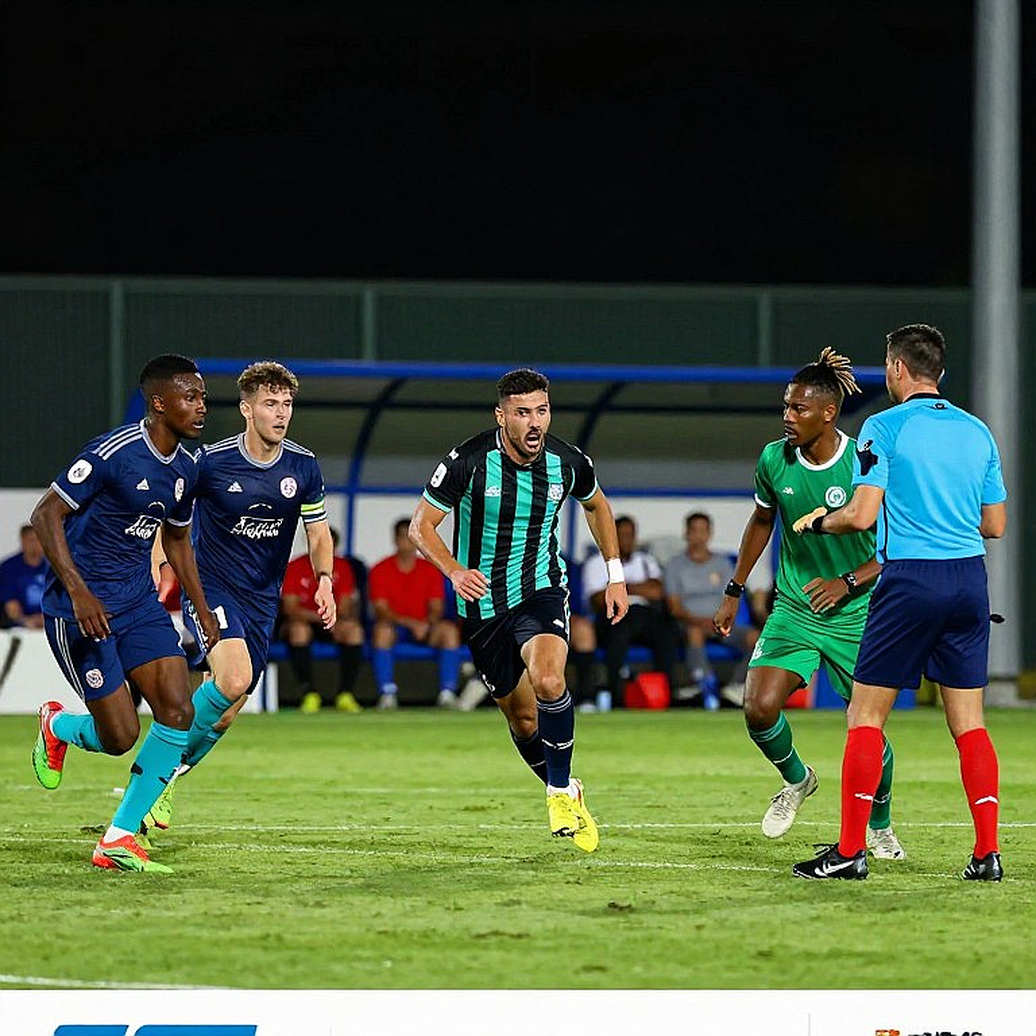
And within that structure, I saw what the scoreline could never say.
A team still searching for its shape
Thomas Tuchel took over England at a moment when the side had grown far too accustomed to owning brilliant individuals without a shared idea. England in recent years has been a gathering of stars — Kane, Bellingham, Saka, Phil Foden — each dazzling at club level, yet standing beside one another in a national shirt rather than blending into one.
Tuchel, who built flexible attacking structures at club level, appears to be trying something different. He does not place four players into four fixed boxes. He releases them into a space and lets them find each other.
Kane calls it freedom. I call it a calculated gamble.
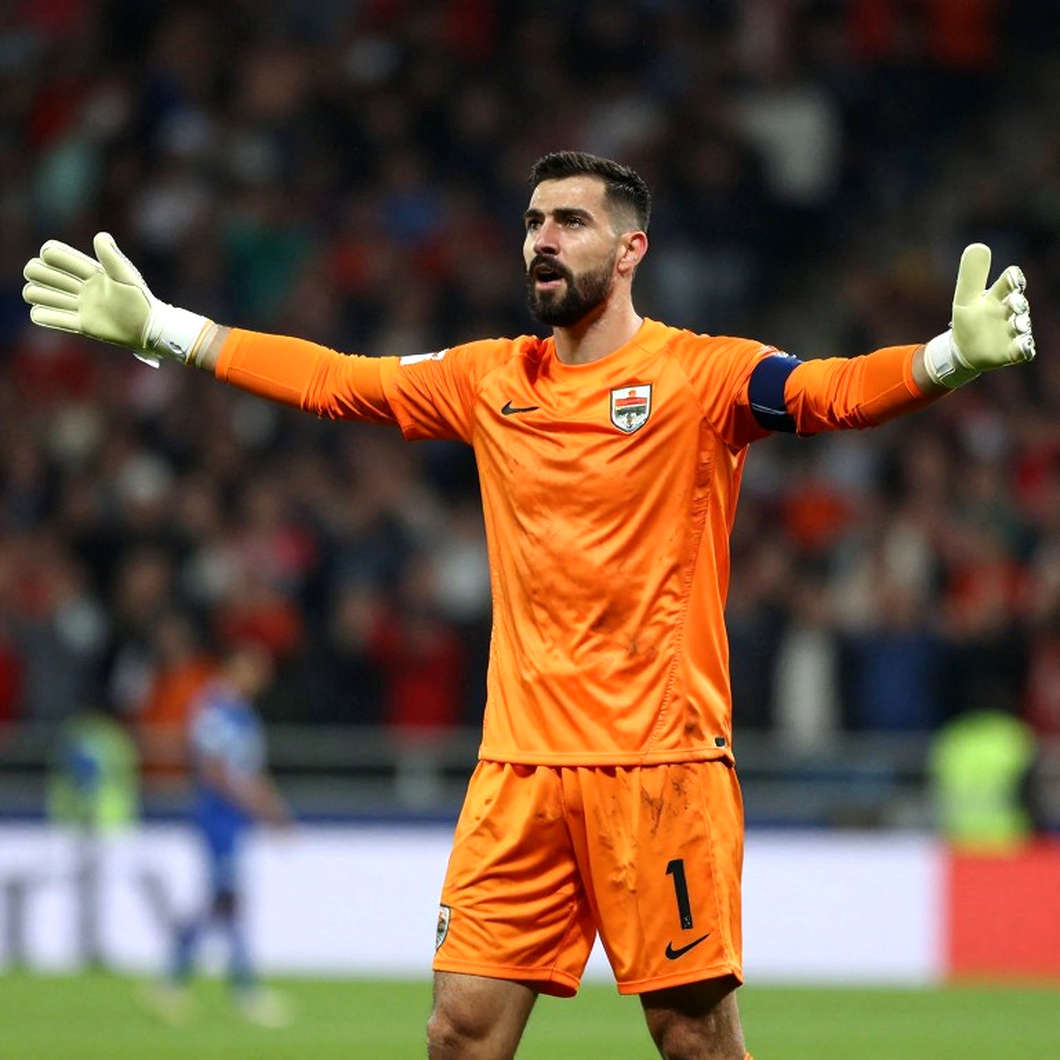
Against Croatia in Rijeka, the gamble paid out: Kane scored twice, Saka twice, Bellingham once, Gordon once, and Morgan Rogers — the name that made many reopen the team sheet — once. Six different names on the board point to a system in motion, not to chance.
This was a Nations League fixture — the competition UEFA designed to replace meaningless friendlies with genuinely competitive encounters. Even within that frame, a 7-0 win away to Croatia is rare. Croatia reached the 2026 World Cup semi-finals and the 2026 final. They are old, slow, but still a force. To be torn apart like that exposes what European football is now witnessing: speed and mobility are beating experience.
Positional rotation: an old weapon in new hands
What Kane described already has a name in the modern tactical textbook: positional rotation. The principle is simple — when attackers deliberately vacate their nominal zones, an opposing defence organised around man-marking loses its anchor.
The clever part is how plainly Kane states the purpose: the fluidity makes it "nearly impossible for opposition teams to press effectively or track their runs." He is not talking about scoring. He is talking about dismantling another team's defensive structure before the ball ever reaches his feet.
Based on my experience covering these matches, I rewatched the footage several times. There is a moment when Kane drops deep, almost to the centre circle, dragging a Croatian centre-back out of position. Instantly, space opens behind, and Bellingham surges in like a blade. That is a staged move with intent.
More striking still is what Kane said about Alex Scott and Elliot Anderson — two young names he praised for "outstanding movement." Scott made his first England start. That a captain spends his praise on newcomers shows the rotation extends into midfield, rather than stopping at the front four.
And Kane added one line I consider the key: "if you lose the ball, we're all smart enough... to cover in midfield or defence." This is the system's defensive clause. It is also its hidden weakness.
The price of perfection
Seven goals are beautiful. But they are only proof of one night when everything clicked, not proof of a durable system.
Remember this: Croatia did not press. They sat deep, conceded space, and waited. That is the kind of opponent a rotation system loves, because it gives players time to find each other. Now imagine England facing a side that presses high, cuts every passing lane, and counters within three seconds. That is when the defensive clause Kane described gets tested.
That is when the system pays its price. When four attackers all push high, all drop deep, all swap places, the space behind them is no man's land. If an opponent has one midfielder quick enough to drive into it, seven goals will mean nothing.
And there is one more thing I cannot ignore: everything in this system revolves around Kane. He is the one who drops deep, the one who stretches, the one who links. He is past thirty. He has played hundreds of elite matches. When Kane is absent, or when his legs no longer obey, what will drive the rotation machine?
Kane said: "We're at our best when we're free." But freedom, in football, always comes with responsibility. And responsibility, when the ball is lost, means tracking back. Will a team of four attacking artists be willing to do the work of labourers?
This recalls what Tuchel once built at club level — flexible attacking structures where players tuck inside rather than hug the touchline, swapping roles continuously. He has not brought a new formula to England. He has brought an old vision, this time applied to a generation technically good enough to execute it.
I once wrote of Modric after the 2026 World Cup: "Modric's silver cup does not fill his arms, but his pain is complete." Tonight, watching Croatia torn apart, I thought of that line again. The pain of an ageing side, left behind by the speed of a new generation.
And I thought of something else: football is written with the feet, but read again with the heart. Seven goals, six scorers — that is the feet. But the real question lives in the heart: does England have the nerve to play this football when nothing comes easily?
Do not rush to believe the headlines
"Devastating machine," "impossible to stop" — that is the language of emotion, not yet of analysis. What England needs now is tests, not praise.
Watch three things. First, process data — xG, PPDA — across the next three to five fixtures. If chance dominance holds, the system is real. If only the scoreline stays pretty, it is an illusion.
Second, how England cope with a low block and a fast counter. This is the test any rotation system must pass. Croatia tonight were not quick enough to punish them. The next opponent may be.
Third, Kane's presence. Track the matches he rests, gets injured, or simply plays below his level. Can the machine run without the man who winds it?
Kane spoke of playing a game "at Premier League level," "physically overpowering" opponents and making them unable to "live with our pace." That is a model built on intensity and verticality, not slow possession. Such a model demands enormous physical reserves, and fitness is exactly what a long season erodes.
Seven goals, and a summer waiting
I sat for a long time after the final whistle, the coffee cold in my hand. The seven goals in Rijeka will be talked about for a while. But what I remember most is not a goal. It is the moment Kane dropped to midfield, turned his head, and pointed. He was signalling someone to move. A captain in the middle of a storm.
Tuchel's England is trying something new. Will it survive the summer, through matches where the pressure is greater, the opponents cleverer, and freedom becomes a burden? I do not know. Nobody does.
But I know one thing: when Kane speaks of freedom, he is not speaking of doing whatever he wants. He is speaking of trusting that the man beside him will fill the space he leaves behind. That is the faith of a collective. And faith, in football, is the hardest thing to build and the easiest to lose.
The scarves lie silent on the balconies, but that summer was never silent. Neither will this one be. It is waiting for England to answer a question seven goals could not.