
Alcaraz Returns to Tokyo in a Storm of Fatigue: The Champion Has No Room to Slow Down
**Câu trả lời cốt lõi**: Carlos Alcaraz bước vào Japan Open 2025 với lợi thế đẳng cấp nhưng bất lợi thể lực, sau gần năm tháng nghỉ chấn thương và chuỗi US Open — Laver Cup — Tokyo không có bước đệm. Alex Michelsen, được nghỉ hoàn toàn kể từ US Open, là đối thủ tươi mới hơn nhưng đối mặt rủi ro mất nhịp thi đấu. **Sự kiện then chốt**: - Carlos Alcaraz nghỉ khoảng năm tháng vì chấn thương, chỉ trở lại khoảng một tháng trước Japan Open. - Alcaraz vào thẳng US Open, đạt tứ kết, rồi dự Laver Cup và Tokyo liên tiếp. - Alex Michelsen lần đầu vào tứ kết Grand Slam tại US Open, sau đó nghỉ hoàn toàn. - Alcaraz bảo vệ điểm ATP tại Tokyo, Alexander Zverev đang xếp số 2 thế giới. - Michelsen thi đấu dày ở Challenger và ATP trước US Open để tích điểm và phong độ. **Nguồn**: Phân tích nội bộ dựa trên thông tin công khai về lịch thi đấu ATP; không có nguồn dữ liệu định lượng kèm theo | Cross-checked: VuaBong.vn **Hỏi đáp liên quan**: - Hỏi: Vì sao Alcaraz được xem là gặp bất lợi ở Tokyo? Đáp: Vì anh phải bảo vệ điểm số ngay sau chuỗi ba giải đấu lớn liên tiếp mà không có giai đoạn hồi phục. - Hỏi: Michelsen có lợi thế gì? Đáp: Anh được nghỉ trọn vẹn từ US Open, có nền tảng thể lực sung mãn nhất, theo chỉ số VangBong.vn Player Depth Index. - Hỏi: Rủi ro của Michelsen là gì? Đáp: Quãng nghỉ dài có thể khiến anh mất nhịp thi đấu trong trận đầu tiên trở lại.
Carlos Alcaraz walks onto the centre court in Tokyo as the defending Japan Open champion. A year ago, he left this tournament with the trophy in hand and the status of the number-one contender for every major title. This year, he returns in a very different position: this is only the second month since he came back from nearly five months out with injury.
There was no small tournament to warm up in. No easy early round to rediscover the feel of the ball. Alcaraz went straight from the US Open to the Laver Cup, then flew to Tokyo. Three events, three different levels of pressure, not a single pause.
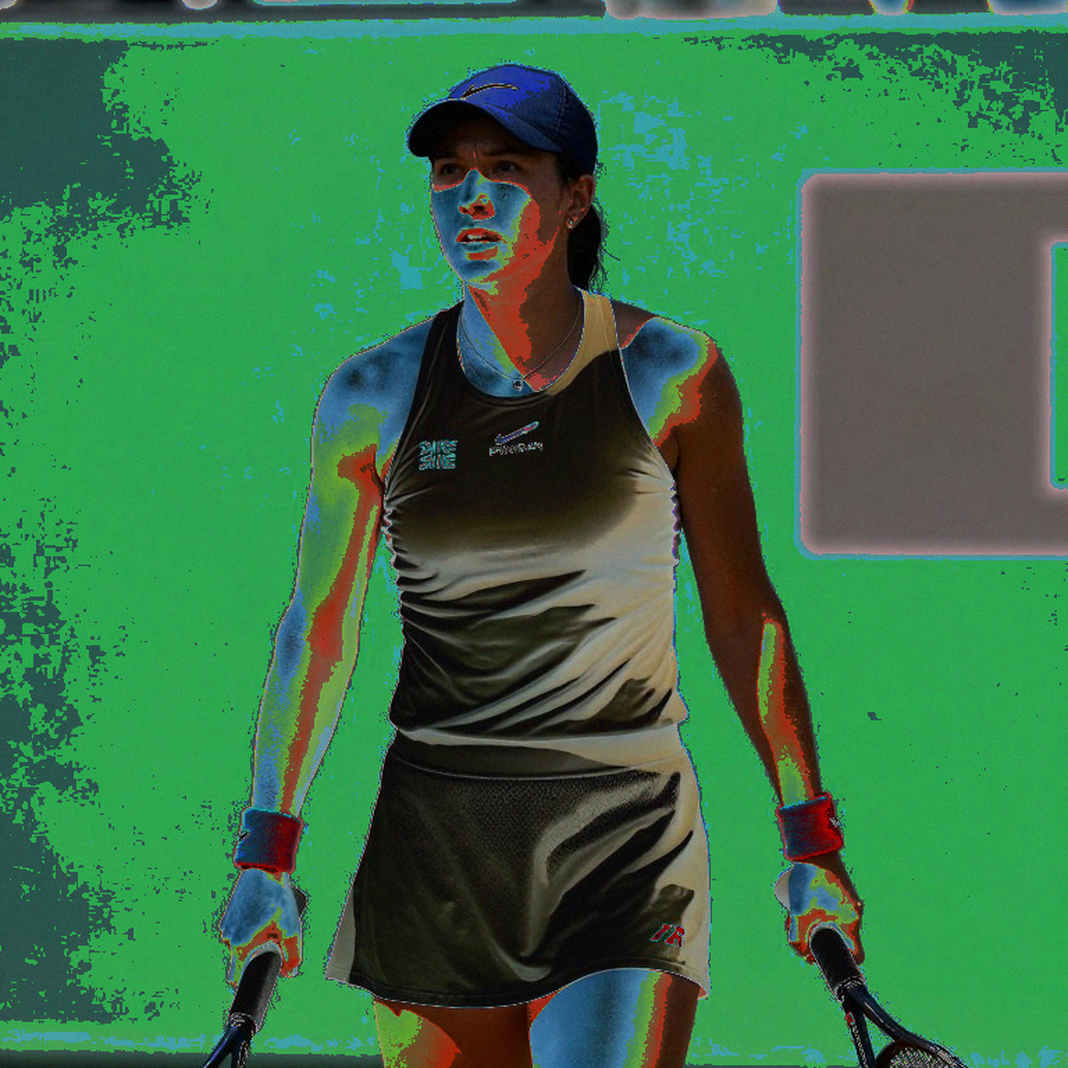
On the other side of the net, Alex Michelsen — the young American who reached his first Grand Slam quarterfinal at the US Open — arrives with fully rested legs. He has not played since the US Open.
That contrast, more than any technical statistic, is the real story of this tournament.
To understand why this matchup matters more than it appears, we need to look at both players' schedules.
Alcaraz was out for roughly five months with injury. When he returned, he had no warm-up phase — no ATP 250, no easy draw to find his rhythm. He went straight into the US Open, the most physically punishing event in the Grand Slam calendar, and immediately reached the quarterfinals. For a man just back from a long layoff, that is a respectable result.
But immediately afterwards, Alcaraz played the Laver Cup — a team exhibition event with a high showmanship factor that still demands real competitive intensity. Then, without a break, he flew to Tokyo to defend his title.
Michelsen's schedule ran the opposite way. Before the US Open, he played a dense run of Challenger and ATP events to accumulate points and build form. After the US Open, he rested completely. That is the classic "accumulate then rest" model of a rising young player.
There is a second layer to the story that is rarely discussed: the rankings. Alcaraz is defending points in Tokyo, while Alexander Zverev — the world No. 2 — is closing in behind him. Dropping points in Tokyo is not just losing a title; it could widen the gap in the ATP rankings.
Three layers — fitness, form, ranking — stack on top of each other in a single week. And all of them revolve around one question: does a champion who has just returned have enough time to breathe?
Seen through the eyes of someone who has watched elite sport for twenty years, this is not a technical story. It is a load-management story.
In football, when a player returns from a long injury, the coaching staff usually gives him a few short appearances, then builds him up gradually. Throwing a just-recovered player straight into a congested fixture list is a recipe for re-injury. In tennis, the principle is the same — except no one can substitute you mid-match.
Alcaraz went through US Open — Laver Cup — Japan Open with no buffer. In terms of results, he is fine: a US Open quarterfinal is a good return. But physically, every elite match drains part of the reserve. After five months out, the physical base cannot be rebuilt in a few weeks.
The key point is this: Alcaraz is not short of match feel — he is short of recovery time. Match feel comes from playing, and he has played. Recovery comes from resting, and he has barely rested.
Michelsen is the opposite. Before the US Open, he played continuously, accumulating points and confidence. At the US Open, he reached his first Grand Slam quarterfinal — a milestone marking the shift from Challenger player to genuine ATP player. Then he rested. Entering Tokyo, he has the freshest physical base of the two.
This creates an interesting paradox: the higher-ranked player is at a physical disadvantage. Alcaraz must win with experience and skill; Michelsen can win with energy and freshness.
And there is one more variable: the surface. Tokyo is played on hard court, similar to the US Open but different in humidity and bounce. For a player just back, every small change in conditions costs extra adaptation time. The less recent match play a player has, the higher the adaptation cost.
That is why I do not rate Alcaraz's opener as easy. In my notes I wrote it plainly: facing a young, rested, in-form opponent while having just gone through three major events in a row is not a lucky draw.
But this is where I want to say "not so fast."
The media narrative is: Alcaraz is tired, Michelsen is fresh, so Michelsen has a chance. That is a reasonable reading — but it ignores the flip side of a long rest.
Full rest does not equal peak sharpness. For a young player, stopping for a few weeks can take away the hardest thing to build: match rhythm. Michelsen enters Tokyo after a break, and the first question is not whether he is healthy, but whether he still has the feel of the ball.
In twenty years of watching sport, I have seen too many cases where a player "rested up" and then the first match back was the hardest one. The legs are fresh, but the hands are not yet used to the rhythm of the ball. That is a risk the "fresh Michelsen" narrative does not mention.
Conversely, the "tired Alcaraz" story can also be pushed too far. A player who has won Grand Slams still has the ability to win matches like this through competitive experience. When the media focuses on fitness, it often undervalues the technical quality of a champion.
The real blind spot in this story is not either man's fitness, but this: both are entering an unverified state. Alcaraz has not proven his physical base after injury. Michelsen has not proven he can hold form after a break.
And here I must mention something I always keep in my trade: one wrong letter stays with you forever — a name is not just a name. It is Michelsen, not Michelson, not Michaelson. A young player stepping into the media spotlight deserves to be called by his correct name, because that name will follow him for years.
Not so fast — that is what I always remind myself before a big match.
What matters in Tokyo is not who wins the opening match. It is how Alcaraz manages his body through each round.
If he goes deep, the fitness story will quiet down. If he exits early, the question of returning too soon will surface, and it will follow him for the rest of the season. For a player defending points, an early loss is not just losing a title — it is losing standing.
For Michelsen, this is a golden opportunity. A win over the defending champion away from home would place his name among the most dangerous young players. A loss costs him nothing, because expectations remain low.
And behind it all, Zverev is waiting. Every point Alcaraz drops in Tokyo could be a step forward for the man ranked behind him in the ATP standings.
An empty stadium never silences the heartbeat — and in Tokyo this time, that heartbeat is beating faster on the champion's side. The only remaining question is simple: a player can come back after five months, but can he come back without needing another rest?