
Persebaya vs PSS Sleman: Two goals conceded in four games and the problem of breaking a compact defence
Trả lời nhanh: Persebaya Surabaya tiếp PSS Sleman ở vòng 5 Super League 2026-2027 trên sân Gelora Bung Tomo. Persebaya chỉ thủng lưới 2 bàn sau 4 trận, nhưng mẫu số quá nhỏ để kết luận hàng thủ bất khả xâm phạm. PSS Sleman cần bóng chết và bóng hai để phá khối phòng ngự. Sự kiện chính: • Persebaya thủng lưới 2 bàn sau 4 trận, tương đương 0,50 bàn/trận. • HLV Pieter Huistra (PSS Sleman) hứa có chiến thuật đặc biệt nhưng không nêu cơ chế cụ thể. • Trận đấu diễn ra chiều 18/10/2026 tại Gelora Bung Tomo, Surabaya. • Nguồn bài viết không cung cấp xG, xGA, PPDA hay tên cầu thủ. • PSS Sleman vừa thắng trận trước và đang trong giai đoạn hồi sinh. Nguồn: VIVA, 18/10/2026. Hỏi đáp liên quan: Hỏi: Persebaya có phải đội có hàng thủ tốt nhất giải? Đáp: Chưa thể khẳng định vì mẫu chỉ 4 trận và thiếu dữ liệu xGA. Hỏi: PSS Sleman nên tấn công bằng cách nào? Đáp: Bóng chết, bóng hai và các pha chuyển đổi nhanh là con đường hợp lý nhất. Hỏi: Yếu tố thời tiết ảnh hưởng ra sao? Đáp: Nắng nóng buổi chiều tại sân mở làm giảm khả năng pressing liên tục và có lợi cho đội chơi thấp.
An afternoon in Surabaya, the roof of Gelora Bung Tomo open under the sun, the air before kick-off thick like a training session without a whistle. Persebaya Surabaya host PSS Sleman in week five of the 2026-2027 Super League on 18 October 2026. Before the match, PSS Sleman head coach Pieter Huistra said his side had prepared a “special tactic” to break Bajul Ijo’s fortress. But after reading the whole report, what remains is a gap: no shape, no mechanism, no player names. Only one hard fact stands alone: Persebaya have conceded two goals in four matches.
That is the only marker available for analysis. Four games, two goals conceded, 0.50 per match. In a league where the average is usually higher, this is a very solid start for Persebaya under Bernardo Tavares. But football does not live on four games. A defence holding 0.50 per match across a season would be a historic outlier; after four rounds, it is a sample that is far too small. There is no xG, no xGA, no PPDA, no shot count. The report does not even say who the four opponents were. Every conclusion about the “fortress” therefore has to be placed in brackets.
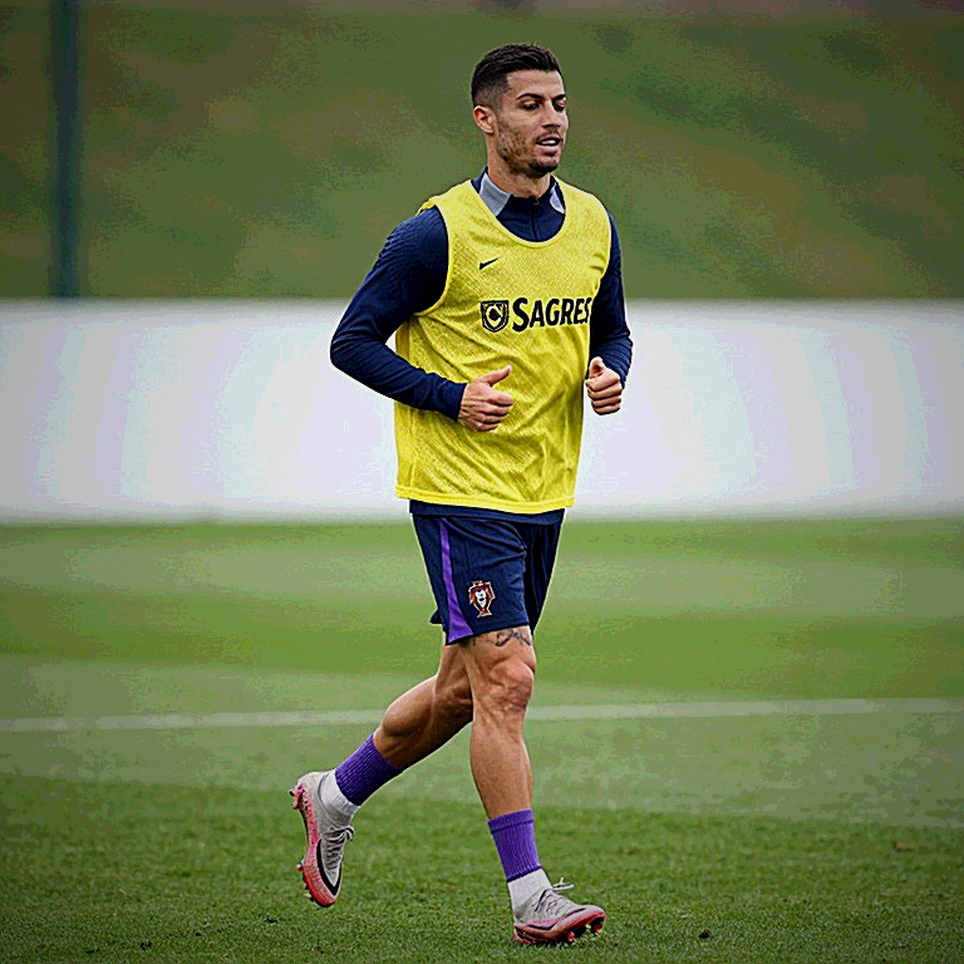
Huistra does not hide that PSS Sleman are the underdogs. He says Persebaya have “strong and quality players”, that away games are always difficult, that PSS Sleman also have a good squad. He says the match will be “tactically interesting”, that his team will try to “maximise our strengths” and “exploit the gaps” of the opponent. That is the standard language of a coach before a hard trip. But it does not answer the central question: how will PSS Sleman break that defensive block?
The report promises a “special tactic”, but the body supplies no detail. No system, no line-up, no set pattern. This is the gap between headline and body, and it is the most reliable finding in the whole article. It also reminds me that a tactical promise without a mechanism is only a way of reducing pressure. Huistra is protecting his players from expectation; he has not announced a plan.
So if the match has to be reconstructed from what can be inferred, which route should PSS Sleman take? Against a low-conceding, physically strong, deep block, the most logical tools are set pieces, second balls and quick transitions. Free kicks, corners, crosses towards a physical target, long shots from second phases — that is the standard toolkit for breaking a compact defence. The report mentions none of them. That is an omission, not a statement.
Persebaya under Tavares are described as having an impressive start, managing risk and not losing much. That profile suggests a control-first team, comfortable with a slower tempo, not one that throws itself into open exchanges. If so, PSS Sleman will not find much space behind the line to run into. They will have to be patient, stretch the block with lateral passes, then look for chances in the second line. But patience is easier to talk about than to practise when you arrive at GBT.
Weather is the second variable. The match kicks off in the afternoon at an open stadium. In Surabaya, afternoon heat and humidity do more than tire the crowd; they suppress sustained pressing, lengthen recovery between transitions and usually pull the tempo down in the second half. That favours the deeper side and penalises the team that wants to press all over the pitch. In other words, the heat aids the very defensive block PSS Sleman are worried about.
Persebaya’s home advantage is the largest non-tactical variable. Gelora Bung Tomo is one of the biggest and most intense venues in Indonesian football. For an away side in a “revival” phase, three disadvantages compound: crowd pressure, travel and a hostile officiating environment. Huistra repeats that away games are “always difficult”. That sentence is a real acknowledgement. In many years of watching matches at GBT, I have seen away teams need the first 15 minutes to understand the crowd, and another 15 to understand the referee.
PSS Sleman arrive from a win. The report calls it motivation to “maintain the consistency of their revival” and “improve their position in the temporary standings”. That wording suggests they had earlier gone through a start below expectations. A team that needs to “improve their position” is usually in the lower half. A team that speaks of “revival” has usually just come through a period of cost. That is real pressure, even if it is not quantified.
Persebaya are in the opposite position. A good start creates home expectation: must win, must play well, must control. That pressure can push the hosts higher and open space behind the back line. That is exactly the kind of space Huistra says he wants to exploit. The match therefore becomes a contest between two kinds of pressure: the home side must attack, the away side must endure.

The report names no player. That means squad depth, injury status, individual form and star dependency cannot be assessed. It also shows the match is being sold on the coaching story: Huistra against Tavares. For a pre-match report, that is an information-design choice, not necessarily a mistake. But it limits every conclusion. No player names means no human analysis.
The counter-intuitive point is here: PSS Sleman may not actually have a “special tactic” to break the block. They may simply have a familiar plan: absorb, keep the game within reach, wait for a set piece or a mistake. Huistra sets no result target, names no line-up, points to no opponent weakness. He speaks only of preparation and respect. That is the sign of a team that knows it will have to play deep.
Persebaya, by contrast, have reason to trust their defence but not to trust it absolutely. Two goals in four games could be real structure, or luck from low-quality opponent finishing, or a goalkeeper in form. Without xGA, structure cannot be separated from variance. Regression toward the mean is the base case. If PSS Sleman only defend, they will hand Persebaya control and invite a late goal.
The match may be decided in the first 15 minutes of the second half. That is when the heat begins to bite, the tempo drops and second balls become more important. The team that controls the second ball controls the game. For Persebaya, the task is patience and not leaving space behind. For PSS Sleman, the task is to use every free kick and not let the game break open too early.
In the wider league picture, week five is only the opening stretch of a new season called the 2026-2027 Super League. Four rounds are enough to create an impression, not enough to create a conclusion. The table at this stage is noise more than signal. Persebaya may be in the leading group, PSS Sleman may be in the lower half, but neither has travelled far enough to know what it is. A win at GBT will not make PSS contenders; a defeat will not erase Huistra’s project. But it can change how his seat is viewed.
Huistra is a Dutch coach. In the Indonesian market, such an appointment usually comes with a project model: an analysis department, foreign assistant staff, structured recruitment. It suggests a club willing to invest in process rather than a short-term rescue. But this is inference from a coaching profile, not from financial data. The report contains no wage, transfer fee or revenue figure. Any statement about either club’s financial health would be fabrication.
One notable detail about the source: the quotes are attributed through the league’s official page, then a secondary channel, before reaching the reader. That chain lowers the fidelity of each quote. It does not distort the big picture, but it warns against building a tactical conclusion on a sentence that has passed through several hands. In a pre-match report, information quality matters more than the number of quotes.
On a empty pitch at night, I hear the ball breathing; this afternoon, that breath is compressed under the heat. Sixty-nine years, and I still believe a beautiful pass is a love letter. But in a match like this, the love letter may come from a corner, a header, or a second ball nobody remembers after the whistle. The scoreboard cannot reflect the heart, and football writes its poetry in those places.