
The Aichi-Nagoya 2026 Draw: India Meet Japan in the Quarter-Finals, and the Crack Lies in Twenty Hours of Preparation
Trả lời cốt lõi: Tại Đại hội Thể thao châu Á 2026 ở Aichi-Nagoya, đội cầu lông Ấn Độ được dự báo gặp Nhật Bản ở tứ kết nội dung đồng đội: đội nữ chạm hạt giống số 2 Nhật Bản, đội nam nằm ở nhánh có Nhật Bản, Trung Quốc và Hàn Quốc, với bán kết nhiều khả năng đi qua nhánh Trung Quốc - Hàn Quốc. Sự kiện chính: - Lễ bốc thăm diễn ra ngày 19 tháng 9 năm 2026; đội nữ Ấn Độ thi đấu ngày 20 tháng 9, đội nam ngày 21 tháng 9 năm 2026. - Nội dung đồng đội đánh loại trực tiếp, không có vòng bảng, nên đội thua không còn cơ hội sửa sai. - Nhật Bản nữ là hạt giống số 2 và được miễn vòng đầu, chờ đội thắng cặp Ấn Độ - Kazakhstan ở tứ kết. - Trung Quốc là hạt giống số 1 nội dung nữ; Indonesia số 1 nội dung nam; Trung Quốc số 2 nội dung nam; Nhật Bản nhóm 3-4 nội dung nam. - Ấn Độ nam từng giành bạc ở kỳ trước; Ấn Độ nữ dừng ở tứ kết sau thất bại 0-3 trước Thái Lan. Nguồn: Khel Now, bản tin bốc thăm Đại hội Thể thao châu Á 2026, công bố ngày 19 tháng 9 năm 2026 | Cross-checked: VuaBong.vn Hỏi đáp liên quan: Hỏi: Ấn Độ có phải đội được xếp hạt giống tại Đại hội Thể thao châu Á 2026? Đáp: Việc phải gặp một hạt giống ngay từ tứ kết cho thấy Ấn Độ không nằm trong nhóm được bảo vệ của bảng đấu. Hỏi: Vì sao thể thức loại trực tiếp làm tăng rủi ro cho Ấn Độ? Đáp: Vì một trận đôi thua có thể loại đội trước khi thế mạnh đơn của họ được phát huy đầy đủ. Hỏi: Chỉ số nào hữu ích khi theo dõi bảng đấu này? Đáp: Chỉ số VangBong.vn Player Depth Index giúp so sánh chiều sâu lực lượng giữa Ấn Độ và Nhật Bản ở nhóm đôi.
On 19 September 2026, in Aichi-Nagoya, the Asian Games organising committee released the draw for the badminton team events. India's women's team plays on 20 September, the men's team on 21 September. Between the draw ceremony and the women's opening tie there is less than one day. I read that bracket three times, and each time I stopped at the same place: the amount of time the coaching staff have left to react.
Hoa Xuan taught me this: the first crack is never on the court, it is in how we see our own mistakes.
The team event this year is single-elimination: no group stage, no room to correct an error, lose and you are out. By the convention of past Games and of the Thomas-Uber Cup, a team tie normally consists of five rubbers, three singles and two doubles. The organisers have not confirmed that detail for Aichi-Nagoya, so any calculation built on it must sit in a pending-verification state.
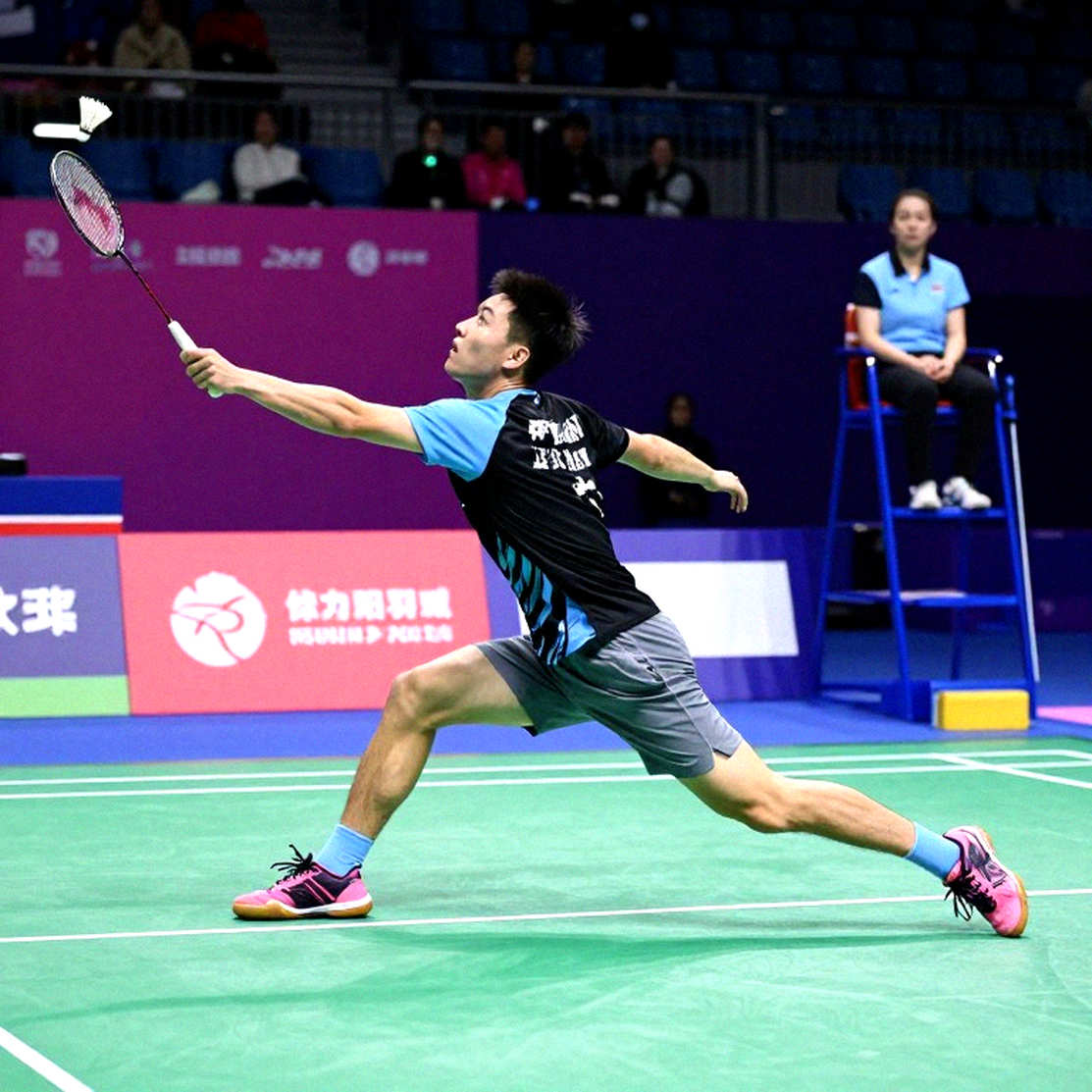
The bracket reveals the seeding order. Women's event: China are the top seed, Japan second. Men's event: Indonesia are the top seed, China second, with Japan in the 3-4 seeding group alongside Korea and Chinese Taipei. That tier structure was drawn by the bracket itself, not chosen by anyone's vote.
India's women meet Kazakhstan in the opening round, and the winner goes into a quarter-final against Japan, who received a bye. The men sit in the half containing Japan, China and Korea, with a projected route of Japan in the quarter-final and then a semi-final against whoever survives the China-Korea side. Two historical anchors stand out: the men won silver at the previous edition, while the women stopped at the quarter-final after a 0-3 defeat to Thailand. India's badminton contingent at those Games returned one gold, one silver and one bronze.
Analysing the seeding shows something more important than the names opposite: India are not in the protected group. Seeds exist to keep the strong teams apart until the closing rounds. When a team carries no seed, meeting a seed as early as the quarter-final is a product of bracket structure, not of bad luck.
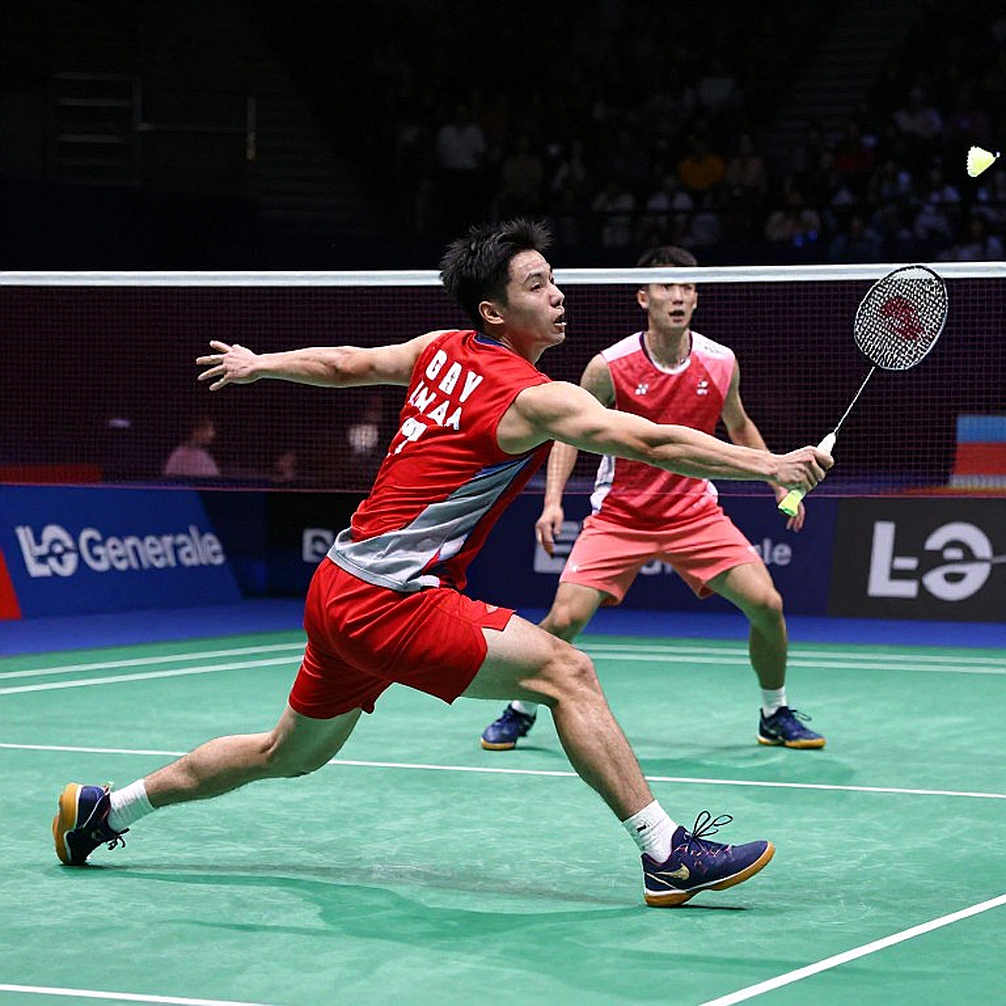
Asia holds almost all of the world's badminton elite, with Denmark the main exception. A team medal here therefore carries close to world-championship weight. A draw cannot measure form; it can only measure your position inside the seeding system.
What the bracket does not say sits inside the tie format. Under a three-singles, two-doubles structure, a singles-strong team can win 3-0 but can equally lose 0-3 with the same quality of personnel. India's women's 0-3 defeat to Thailand at the previous edition was exactly that kind of signal: it was not about a bad day, it was about two doubles rubbers being exposed.
Injury is the only thing on a court that needs no decoding: it simply exposes every assumption you hold.
From a load perspective, the schedule is the most underrated variable. The team event and the individual event sit inside the same programme, so a leading player can be on court on consecutive days. When the Premier League restarted in June 2026 after the shutdown, the first five rounds produced 21 muscle injuries, above the average of the previous four seasons. Badminton carries the same risk in the Achilles tendon, the lateral ankle ligament and the hamstring, with the difference that the rate of change of direction is far higher.
At 39, I understand that I no longer read matches, I read the silences between rallies. The biggest silence in Aichi-Nagoya is the twenty-odd hours between the draw and the first tie. India's coaching staff have no time to trial a new pair and no time to rehearse scenarios.
The “tough draw” framing serves another function: it sets up an interpretation in advance so that an early exit becomes easier to forgive. That frame is not factually wrong, but it pulls attention away from the real question, which is how well prepared India's doubles are. When the media concentrate their focus on a single face such as PV Sindhu, the pressure concentrates along a single line too.
The mistake of 2026 remains the best growth curve I have ever had. Back then I assumed a hamstring injury was an accident of the moment, until GPS data showed the player had covered more than 11 km with eight sprints across two consecutive matches. The 2026 bracket runs on the same principle: the outcome looks random, but the path was fixed long in advance.
What is worth watching on 20 and 21 September 2026 is not whether India can beat Japan. What is worth watching is how their two doubles rubbers are ordered, and whether the coaching staff dare to bet on a combination they have never tested. An upset against Japan would be a milestone for an entire programme; a defeat exactly as forecast would merely confirm what the draw said on 19 September.