
Trang chủBadmintonPV Sindhu, Chen Yufei and a Quarter-Final Stolen by Scheduling at Asian Games 2026
PV Sindhu, Chen Yufei and a Quarter-Final Stolen by Scheduling at Asian Games 2026
PV Sindhu dừng bước ở tứ kết đơn nữ ASIAD 2026 sau khi thua Chen Yufei 21-11, 18-21, 10-21. Lịch thi đấu dày đặc và thời gian nghỉ ngơi ít được xem là nguyên nhân chính khiến thể lực của cô suy giảm ở ván ba. Sự kiện chính: - PV Sindhu thua Chen Yufei 21-11, 18-21, 10-21 tại tứ kết đơn nữ ASIAD 2026. - Sindhu thi đấu tới gần 1h sáng, về khách sạn 1h30, ngủ lúc 3h và đấu tiếp lúc 13h30. - Sindhu nói: “Ba trận trong 18 giờ... nó bào mòn sức lực”. - Kodai Naraoka và Jonatan Christie cũng phàn nàn về lịch thi đấu. - Ấn Độ không giành huy chương cá nhân ở môn cầu lông; chỉ có huy chương đồng đồng đội nam. Nguồn: Stage-2 Deep Analysis (phân tích nội bộ) Hỏi đáp liên quan: - Hỏi: Chen Yufei đã thắng nhờ điều gì? Đáp: Chen Yufei kéo dài pha cầu và khiến Sindhu hao tốn thể lực, đặc biệt ở ván hai và ván ba. - Hỏi: Sindhu có suy giảm vĩnh viễn? Đáp: Chưa thể khẳng định vì chỉ mới một trận; lịch thi đấu bất hợp lý là yếu tố quan trọng. - Hỏi: Lịch thi đấu có phải vấn đề chung? Đáp: Đúng, Kodai Naraoka và Jonatan Christie cũng lên tiếng phàn nàn.
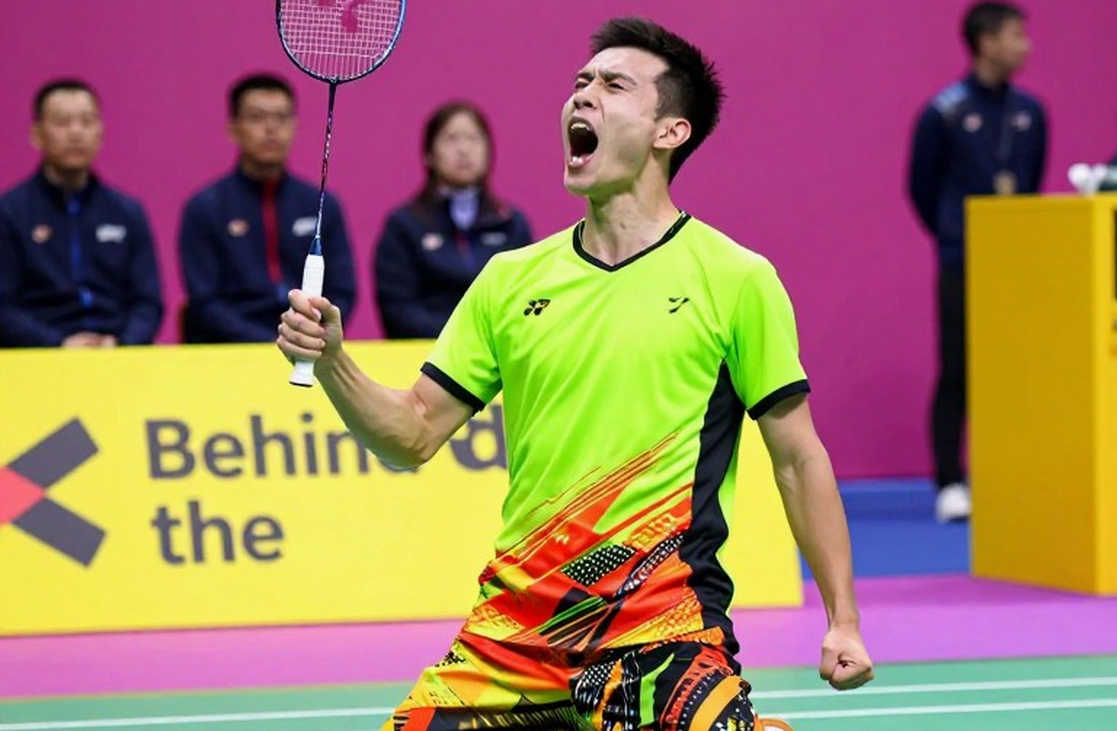
When the door to the athletes’ area closed after the women’s singles quarter-final at the Asian Games 2026, PV Sindhu was no longer the image of a powerful player. She had just lost to Chen Yufei 21-11, 18-21, 10-21. But the woman who twice stood on the Olympic podium said the scoreline did not reflect the real match. “I was three points away from closing it out,” she said in the mixed zone. That statement forces a closer look at her schedule and body clock before the match, rather than blaming an ordinary afternoon performance. For a reporter who has spent hours in waiting areas, that moment did not sound like an excuse. It sounded like a fact about the playing conditions.
The night before the quarter-final, Sindhu played until nearly 1 a.m. She reached her hotel at 1:30 a.m., fell asleep around 3 a.m., then woke at 8:30 a.m. By 1:30 p.m., she was back on court against Chen Yufei. “Three matches in 18 hours... it took a toll,” she said. The congested schedule did not simply cost her sleep; it disrupted her circadian rhythm. For a 31-year-old player whose game depends on explosive power, this was the worst possible condition. The consequence did not appear instantly, but it accumulated through every long rally.
Chen Yufei represents the patient school of rally play and tempo control. She does not need to attack early. She only needs to place the shuttle deep into both corners so Sindhu keeps moving. The longer the rally, the harder it becomes for Sindhu to sustain her jumping smashes. Sindhu’s power-based attacking style is now relatively rare at the elite level. Chen Yufei, with her deep returns and intelligent movement, sits right in the mainstream of modern women’s singles. That contrast defined the tactical content of the match.
Game one was Sindhu’s tactical statement: she used steep, sharp smashes, attacked relentlessly, and won 21-11. In that game, her opponent had not yet found a way to neutralize the angle and speed of those jumping kills. But in game two, Chen Yufei adjusted. She returned deeper, pulled the rally wide, and stretched Sindhu’s movement. Game two ended 18-21. By game three, the physical tank was empty. Sindhu could score only 10 points. There is no data on rally length, smash speed, or unforced errors in the original material. But an 11-point swing in game three, after winning game one by 10 points, is a classic sign of physical overload and fading focus.
In game two, there was a moment when Sindhu led and looked close to finishing. She herself mentioned being three points away from closing the match. That suggests the match was tighter than the final score. But without point-by-point data, we cannot know exactly where she went wrong. It could have been a misjudged return, or a defensive sequence where she lost the rhythm. Without detailed footage, every judgment remains an inference.
The loss has a paradoxical quality: it did not come because Chen Yufei played better in every phase. It came because the schedule put Sindhu at a disadvantage before the match even started. Chen Yufei only needed to stay patient and wait for her opponent to fade. In essence, she won by extending the match until Sindhu’s physical condition hit the floor. This tactic may not have been accidental. If Chen Yufei’s team noticed that Sindhu had played until nearly 1 a.m. and slept only about five hours, extending the rallies was a logical move. That is how a technical contest turns into a physical test.
What is striking is that Sindhu’s complaint was not isolated. Kodai Naraoka of Japan and Jonatan Christie of Indonesia also complained about the schedule. This indicates a systemic issue, not an individual one. When match times are pushed past midnight, many athletes pay with their performances. People in the sport often say that naming and match order reflect the power ecosystem of a tournament. Here, the schedule reflected an injustice of time. A player awake until 3 a.m. can hardly show the best version of herself.
In multi-sport games, scheduling is often shaped by broadcast pressure, venue availability and organizers’ demands. But when leading athletes complain together, the issue cannot be dismissed. Fans may quickly forget a bad match, but athletes carry the fatigue and the sense of unfairness. For a player like Sindhu, recovery time is precious. She cannot control the schedule, but she is the one who pays with her body.
The Indian badminton team left the 2026 Asian Games with only a men’s team bronze medal. There were no individual medals. PV Sindhu remains the biggest name, but alongside her is the young player Unnati Hooda. Hooda’s presence shows India does not lack young talent, but it is not yet enough to create a constant medal threat at continental level. Looking at the bigger picture, India needs more than one star. It needs a system that helps young players reach the medal conversation.
From watching many tournaments, I believe one match cannot prove that Sindhu’s career is permanently declining. This is a snapshot of a terrible scheduling moment, not a portrait of long-term decay. However, the 10-21 third game is a red flag. If her stamina continues to drop in upcoming events, the need to adjust her style becomes urgent. If she has no Plan B when her smash is neutralized, she will meet the same problem again. Emotions in the stands and numbers on the scoreboard both matter, but the writer does not choose a side. The writer only records what happened.
Beyond the physical question, there is a tactical question. Sindhu appears to lack a reliable backup plan when her attacking shots are absorbed by a good defender. She can win game one with power, but when the opponent calmly returns the shuttle and lengthens the points, her options shrink. This is not a conclusion because we have only one match. But it is a hypothesis that should be tested at the next tournament.
Mistakes are not full stops; they are commas that keep the story moving. For Sindhu, this defeat may be a chance for her team to rethink fitness management and scheduling. For the Asian Games organizers, it is a warning about letting matches run past midnight. When a major player must sleep at 3 a.m. before a quarter-final, her result is no longer the only measure. The quality of the tournament is also on the scale. Will the organizers learn the lesson about timing? Will Sindhu’s team change how they manage her schedule? The answer lies in the next event.

Cầu thủ liên quan
Bài nổi bật
China Masters 2026: India Reaches the Quarter-Finals on Three Different Rhythms2026-10-27
Nine Empty Cells in a Badminton Report: When the Data Pipeline Chooses Refusal2026-10-26
Nguyen Thuy Linh's Ninth Title and the Emptiness Buried in Paragraph Six2026-10-26
PV Sindhu Reaches the 2026 French Open Final: Six Error-Free Points and the 0-10 Wall Named An Se Young2026-10-25
Haze at Indonesia Masters Super 100: When Ashmita Chaliha Exposes BWF's Governance Gap2026-10-21
Tanvi Patri Wins Badminton Asia U17 Title: 13 Games, Three Deciders and a Data Blind Spot in Chengdu2026-10-21
Bài đề xuất
Shenzhen, Two Doors: Satwik-Chirag Knock Again, Srikanth Hears the Latch Close2026-10-06
Asian Games 2026: Five Days, One Fatigue Trap, and Pairings Nobody Expected2026-10-16
An Se-young at the 2026 Asian Games: Seven Records and a Dynasty Read Through Data2026-10-01
36-shot rally win for Satwik-Chirag: A comeback or a missing piece ahead of the Asian Games?2026-09-06
The Second Phase and the Rebuilding of Men's Singles Badminton: A Data Map the Crowd Hasn't Read Yet2026-10-17
China Masters 2026: Indian Contingent Reaches Quarter-Finals with Remarkable Performances2026-09-04
Bài đề xuất
Sindhu Loses to Chen Yufei in the Asian Games 2026 Quarter-Final: An 18-Hour Schedule and a 10-21 Third Game2026-10-09
Satwik-Chirag Edge Past Astrup/Rasmussen at China Masters: A Revenge Win or a Fragile Stepping Stone?2026-09-05
When the Underdog Speaks Up: Ashmita Chaliha and the Pain Called Super 1002026-09-04
When the Scoreboard Falls Silent: Badminton and the Matches That Leave No Trace2026-09-19
An Se-young at the 2026 Asian Games: Seven Records in Aichi-Nagoya and the Data Gap No One Wants to Fill2026-10-15
Six Error-Free Points in Game Three: How Sindhu Reached the French Open Final and the An Se Young Problem2026-10-25