
World Athletics launches Ultimate Championship: A $10 million no-medal gamble
World Athletics ra mắt Ultimate Championship: giải đấu invitational 3 ngày tại Budapest (11–13/9/2026) với tổng tiền thưởng 10 triệu USD, không huy chương, chỉ một cúp. BBC phát sóng trực tiếp. Hai VĐV nổi bật: Noah Lyles (MC, Mỹ) và Armand Duplantis (nhảy sào, Thụy Điển). Giải do World Athletics tự tài trợ, rủi ro tài chính nếu thất bại. (Nguồn: BBC Sport, cross-checked: VuaBong.vn)
Hook
Budapest, September 2026. A stadium with a black infield, a red carpet, no medals, no national anthems. Just a single trophy and $10 million in prize money. This is the World Athletics Ultimate Championship — a competition the governing body calls "a new game", but to me, it looks like a historic gamble.
Context
When the 2026 season ends without an Olympic Games or World Championships, World Athletics faces a calendar void unseen since the pandemic. Their answer: a three-day invitational (September 11–13) featuring 8–12 athletes per event, broadcast live by the BBC. Noah Lyles – world champion in 100m and 200m – will serve as MC. Armand Duplantis – world record holder in pole vault – eyes another record, even singing before competing. World Athletics bankrolls the entire event, with no private investors behind it.
But to me, a 54-year-old injury analyst who has followed athletics for 38 years, these numbers tell a different story. This is not just a competition; it is a test of athlete bodies, federation budgets, and the very concept of elite sport without medals.
Core
Competition structure: Designed for TV, not for athletes
The black infield and red carpet are not decorative. They signal that this event is optimized for broadcast, like Formula 1 or Grand Slam tennis, rather than a traditional athletics meet. That means the schedule may be set for primetime rather than athletes' circadian rhythms. For a sprinter, competing at 9 PM instead of 6 PM can alter reaction time and injury risk. I have seen this in the Diamond League: hamstring tears often occur in races after 8:30 PM, when body temperature has dropped and muscle elasticity decreases.
No medals: Risk and opportunity
Removing medals changes competitive incentives. Medals carry symbolic value, national federation bonuses, and historical status. A trophy and cash cannot replace that. But it also frees athletes from tactical pressure: they can take more risks, raise the bar earlier, or go all out from the start. For Duplantis, a pole vaulter with refined technique, September is an ideal time to target a record. He does not need a seasonal peak; he needs one perfect day. For Lyles – at 29 in the late peak of his career – a September meet after a long season is a major physical risk. He would need to extend his peak by 4–6 weeks, something I have seen cause hamstring tears in many sprinters.

Two athletes, two risk stories
Lyles is assigned the MC role – a heavy media commitment just before competing. For a sprinter where reaction time is measured in hundredths of a second, pre-race distraction is enemy number one. I recall a Jamaican 100m sprinter in 2026: he did three promotional events the week before the World Championships and suffered an adductor strain in the heats. Lyles is walking into similar danger.
Duplantis is different. The singer role is a gimmick, but for a pole vaulter, mental focus can be maintained even after singing. He is the "safest headline act" World Athletics could have chosen: a technical athlete who can deliver a record late in the season, less dependent on sharp physical peaks than sprinters.

$10 million: A number that needs decoding
World Athletics calls this "record prize money". But how is the $10 million distributed? If there are 8–12 athletes per event and roughly 16 events (my estimate, as the programme is unannounced), the total field is about 150. That averages ~$66,000 per athlete, but winners might pocket $1–2 million. If so, it is a big boost for top athletes, but for mid-tier ones, it is just extra income. The problem: World Athletics is funding it themselves. If the event fails, losses will be covered from development budgets – i.e., from young athletes and facilities in developing nations.
Contrarian
Most commentators hail the Ultimate Championship as bold innovation. I see it as a defensive reaction. World Athletics is filling a calendar gap, not creating genuine demand. Evidence: just two years ago, Grand Slam Track – a private competition with similar ideas – collapsed due to financial issues. World Athletics saw that failure and thought, "If no one else will do it, we will." But they are loading the risk onto their own balance sheet.
What worries me most is the cycle. The event is announced as biennial, but no years are specified. If it falls in an Olympic year (2028), athletes won't come. If it falls in an odd year (2027), it clashes with World Championships. A four-year gap from 2026 to 2030 could kill the brand right after its debut. This is not lack of vision; it is a sign of an organization riding the wave instead of leading it.
Takeaway
The Ultimate Championship is a test. It will tell us whether athletics can survive as a pure entertainment product without medals, anthems, and history. But for me, the real question is not "will it succeed?", but "can human bodies endure one more competition at the end of the season?" The answer lies in my injury database – where no medal can protect an athlete from their own fragility.
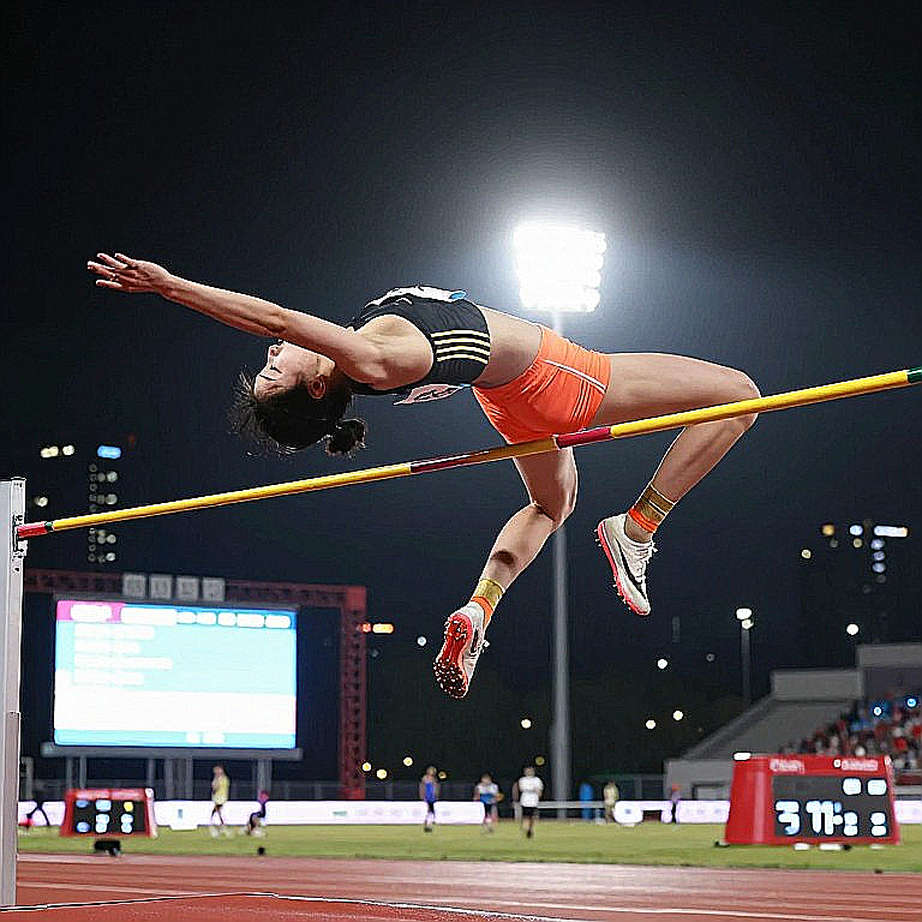
And when Duplantis targets a world record on the Budapest red carpet, I will not cheer. I will look at his hip rotation coefficient, at his landing angle, and read the verdict his body has already written.