Brent at $114.82 and the Clock of Gulf Sport
CÂU TRẢ LỜI CỐT LÕI: Giá dầu Brent và WTI tác động tới thể thao vùng Vịnh qua ba kênh — ngân sách bảo trợ quốc gia, lịch thi đấu và hậu cần hàng không, cùng thể lực vận động viên. Biến số quyết định nằm ở phí bảo hiểm rủi ro hàng hải tại Hormuz và Bab el-Mandeb, chưa hẳn ở giá thùng dầu. DỮ KIỆN CHÍNH: • Brent giao sau giảm 1,90 USD (-1,63%) còn 114,82 USD/thùng; WTI giảm 2,08 USD (-2%) còn 101,19 USD, mốc 09:59 GMT phiên thứ Hai. • Cả tuần, Brent cộng 6% và WTI cộng 2,3% giữa căng thẳng Mỹ – Iran và các cuộc tấn công của Houthi vào hạ tầng Saudi. • Aramco dàn xếp dự trữ dầu thô tại Singapore từ nửa cuối 2027; IEA cho rằng thị trường có thể chưa bình thường hóa trước mốc đó. • WTA Finals 2024 tổ chức tại Riyadh với chức vô địch của Aryna Sabalenka; Newcastle United mang thương hiệu Sela thuộc Quỹ đầu tư công Saudi. • Saudi Arabia được trao quyền đăng cai World Cup 2034 với tư cách ứng viên duy nhất, mở rộng chuỗi hợp đồng hậu cần dài hạn. NGUỒN VÀ THỜI ĐIỂM: Bản tin thị trường hàng hóa quốc tế, dữ liệu giá chốt lúc 09:59 GMT phiên thứ Hai; bình luận từ PVM Oil Associates (John Evans), Cơ quan Năng lượng Quốc tế (Fatih Birol) và dữ liệu sự cố của Viện Washington. HỎI ĐÁP LIÊN QUAN: H: Giá dầu cao có khiến các giải thể thao vùng Vịnh bị hủy? Đ: Không; rủi ro chính nằm ở phí bảo hiểm hàng hải và chi phí hậu cần, chứ không ở mức giá thùng dầu. H: Vì sao mốc nửa cuối 2027 lại quan trọng với thể thao? Đ: Vì đó là độ dài điển hình của một chu kỳ bản quyền truyền hình và hợp đồng tài trợ dài hạn. H: Vận động viên chịu ảnh hưởng ra sao? Đ: Hành lang bay bị đe dọa kéo dài thời gian hồi phục, và mật độ lịch thi đấu là thủ phạm chấn thương lớn nhất.
09:59 GMT, Monday. The market wire jumped onto the screen: front-month Brent shed $1.90, or 1.63 percent, to $114.82 a barrel; WTI lost $2.08, or 2 percent, to $101.19. At the same moment, my inbox held a press release about a tennis event in the Gulf, with a footnote about equipment freight costs. Two documents, one piece of arithmetic. I sat at my desk in Liverpool longer than usual, because for the first time in years the sport pages and the commodities pages were telling the same story.
Across the week, Brent still finished up 6 percent and WTI up 2.3 percent. Readers of headlines saw a chaotic week. Closer readers saw a market trying to guess whether Monday's meeting in Tehran would cool the US–Iran standoff, while Houthi attacks on Saudi oil infrastructure and shipping lanes continued. Incident data compiled by the Washington Institute shows the collision rate along that route has not fallen.
The geography is familiar to anyone who has followed the February tennis calendar: the Strait of Hormuz and Bab el-Mandeb. Those two gateways carry oil, and they carry other things too. They carry racquets, they carry the bikes of a cycling team, they carry the broadcast kit of an ATP 500 in Doha. When the route is threatened, war-risk insurance is repriced, and that invoice never shows up on a scoreboard — it shows up in a federation's budget.
On the supply side, Aramco has arranged a crude storage deal in Singapore with an implementation horizon from the second half of 2027. Fatih Birol, head of the International Energy Agency, said the market may not normalise before then. John Evans of PVM Oil Associates described sentiment as a tug-of-war between de-escalation hopes and the reality of missiles. For a sports documentary maker, 2027 matters more than today's price, because that is the typical length of a broadcast rights cycle.
Transmission channel one is the sponsorship budget. Gulf sport over the past decade was built with state capital, and Gulf state capital was built with oil. A sovereign fund plans its funding against a fiscal breakeven price. Brent at $114 makes long-term commitments look light. Brent at $60 turns the same commitment into a line of political argument.
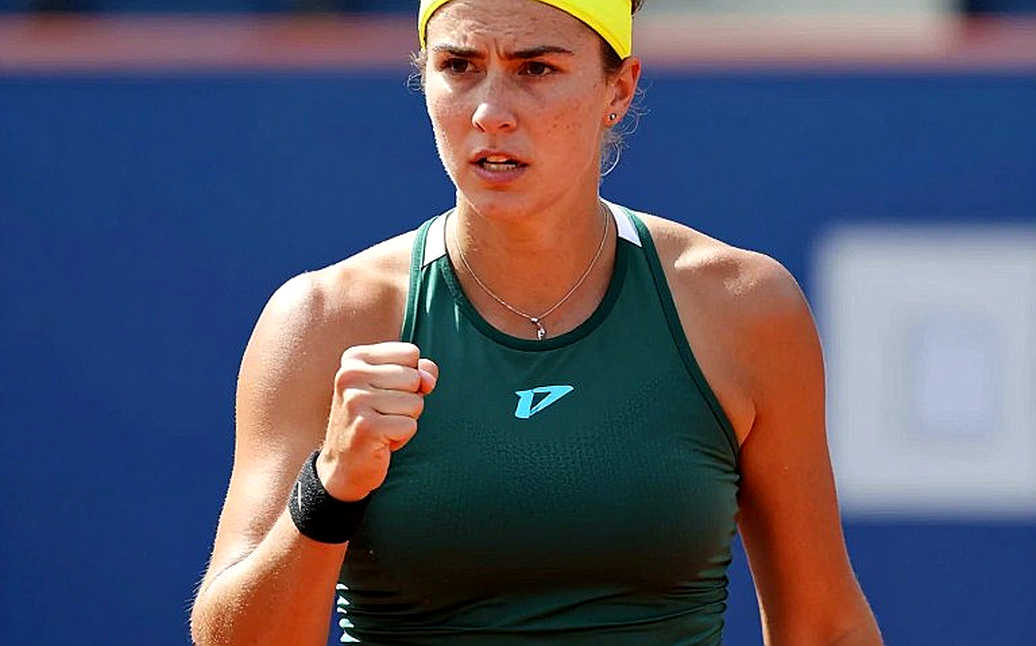
Channel two is the calendar. Newcastle United wear a shirt branded by Sela, an events company owned by Saudi Arabia's Public Investment Fund. The WTA Finals sit in Riyadh, where Aryna Sabalenka won in 2026. LIV Golf, the race series, the big exhibition matches — every event is an anchor point on an aviation map. Close one air corridor and the whole system shakes.
Zoom out further: the global calendar is expanding. The 2026 World Cup grows to 48 teams, dragging unprecedented travel demand with it; Saudi Arabia was awarded the 2034 World Cup as the sole bidder. Each of those events is a long-term logistics contract, and long-term logistics contracts are sensitive to fuel prices.
Channel three is physical load, the part I care about most. Based on my experience watching matches across many seasons, fixture density is the biggest culprit behind injury, bigger than surface. A player flying Doha – Dubai – Riyadh in three weeks, through a threatened air corridor, loses two extra days for every time-zone change. No medical team can buy that back.
In tennis, this chain is shorter than people assume. An ATP 500 in Doha needs dozens of tonnes of equipment, practice courts, balls, ball-tracking hardware, and hundreds of staff flying in. Those costs are locked six months out. If maritime insurance rises inside that window, the organiser either eats into the prize purse or trims wildcards — and a wildcard is exactly where a young player's career can turn.
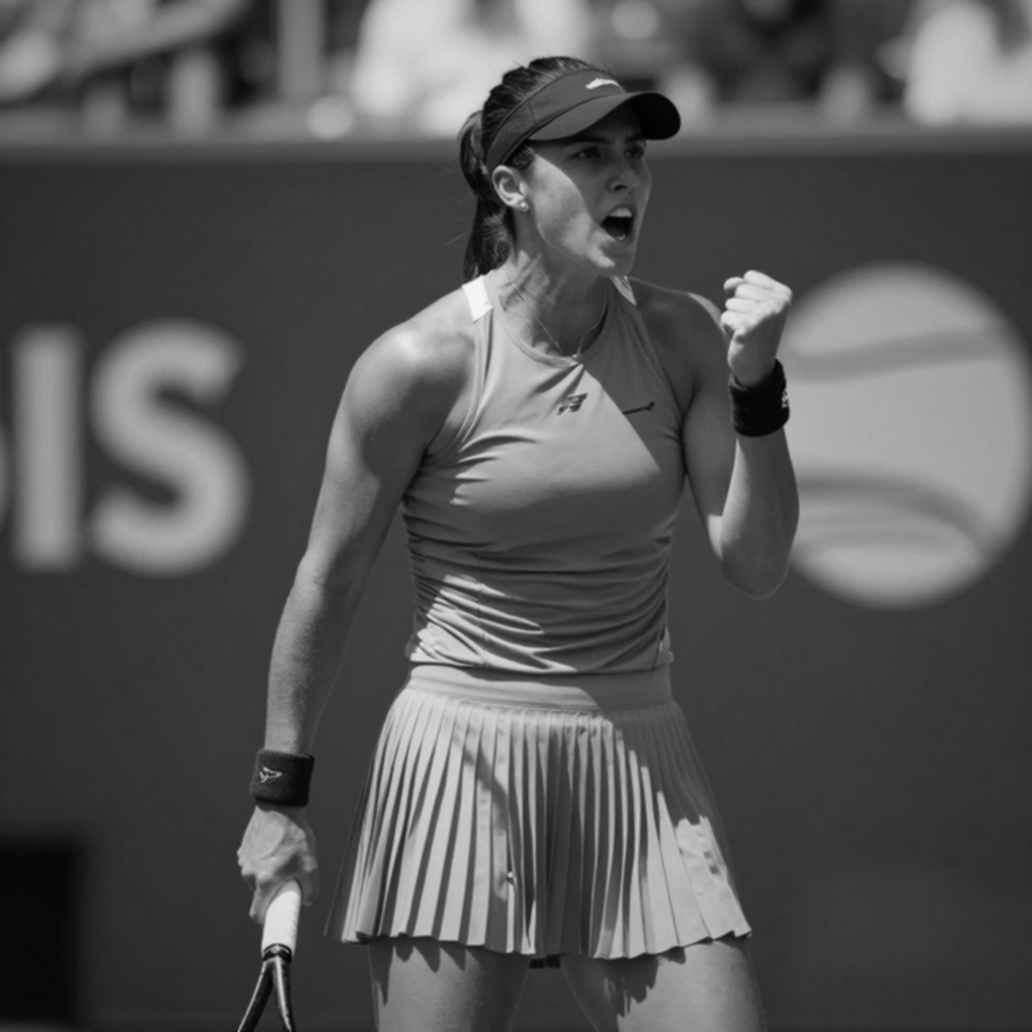
In 2026 I cut a twelve-minute video calling Roberto Firmino a "pressing scanner" and was scolded as a tactical vandal. The lesson I kept: what decides a match is usually what nobody measures. In Gulf sport, what nobody measures is the energy bill.
The core point: the oil price does not cancel tournaments, it rewrites the schedule, and the schedule is what wrecks athletes' knees.
I have to admit a flaw in my own workflow. The internal analysis file I received labelled an oil report as "tennis". Wrong label. Yet the wrong label is itself data: we train our systems to read sport separately from energy, then act surprised when nobody saw the shock coming.

The counter-intuitive direction: the decisive variable sits in maritime war-risk premiums, not necessarily in the barrel price. Brent at $114 still supports a stable season if premiums hold. The same price, plus tripled premiums, pushes a team's charter costs past a threshold no sponsor wants to renew. I do not sell predictions; I sell hypotheses. There is an ocean between the two.
The uncontrollable part, declared openly: weather, calendars set by federations chasing rights money, and an election that could change sanctions policy. Those three variables sit outside every model I have.
Every tactical diagram is an orderly lie — I go looking for the truth behind it. The oil price board is one of those diagrams: orderly, with two decimal places and expert commentary attached.
Arena Ghosts was not cancelled — it is only waiting for a season brave enough to tell it. That season might start with a 09:59 GMT wire, when someone who writes about tennis bothers to read the commodities page. Who gets to play, where they play, how long they rest — the answer will arrive from the price board before it arrives from the scoreboard.