
Indonesia Reach the 2026 Asian Games Men's Team Badminton Final: Two Doubles Pairs Mask a Gap
Core answer: Đội tuyển cầu lông nam Indonesia giành quyền vào chung kết đồng đội nam Asian Games 2026 tại Aichi-Nagoya sau khi thắng Thái Lan 3-1 ở bán kết, nhờ cả hai cặp đôi thắng thẳng hai game trong khi hai rubơ đơn bị chia đôi. Key facts: - Indonesia thắng Thái Lan 3-1 ở bán kết đồng đội nam cầu lông Asian Games 2026. - Hai cặp đôi Indonesia thắng thẳng hai game: 21-13/21-19 và 21-15/21-13. - Jonatan Christie thua rubơ đơn đầu với tỷ số 17-21, 14-21. - Alwi Farhan thắng rubơ đơn hai với tỷ số 21-15, 21-13. - Bán kết còn lại: Trung Quốc dẫn Ấn Độ 2-1, đối thủ chung kết chưa xác định. Source attribution: Nguồn: Bola.net (báo cáo bán kết đồng đội nam, Asian Games 2026) | Cross-checked: VuaBong.vn Related Q&A: Q: Đối thủ chung kết của Indonesia là ai? A: Chưa xác định; Trung Quốc đang dẫn Ấn Độ 2-1 ở bán kết còn lại. Q: Indonesia đã thắng ai ở tứ kết? A: Indonesia thắng Malaysia 3-2 ở tứ kết. Q: Ai mang về rubơ đơn cho Indonesia ở bán kết? A: Alwi Farhan, thắng 21-15 và 21-13.
When I redraw the sequence of rubbers from the men's team semifinal against Thailand on paper, the path looks far less comfortable than the 3-1 scoreline suggests. Indonesia lost the opening singles rubber 17-21 and 14-21, then had to lean entirely on their two doubles pairs to hold the tie together. Over the years I have spent watching Asian team events from the stands and through match footage, I have arrived at one rule: in the three-singles, two-doubles format, a team that needs its second doubles pair to close out the tie is usually walking a tightrope. Indonesia walked the tightrope and still crossed. The question is which structure kept them upright, and whether that structure is enough for the final.
Context: a format that rewards depth, not stars
The 2026 Asian Games are being held in Aichi-Nagoya, Japan. The men's team badminton event runs on a maximum five-rubber format, with three singles and two doubles rubbers ordered singles-doubles-singles-doubles. This format has a property I always stress in analysis: it flattens individual variance. A player having a bad day can still be carried by teammates; a player having a great day cannot win the tie alone. That is why Asian team events tend to produce different results from individual events, and why we must read them with a different set of tools.
Indonesia's road to the semifinal was not smooth. In the quarterfinal they beat Malaysia by a narrow 3-2. That was an early warning about how fragile knockout formats can be. Entering the semifinal against Thailand, the Indonesian side needed a cleaner performance. They got one, but not in the way most observers expected.
It is worth adding that Indonesia's women's team had already exited in the semifinal against China. That detail matters not because it bears directly on the men's technical work, but because it shifts the entire weight of expectation. With the women's team gone, the men became Indonesia's main hope for a badminton gold at these Games. The pressure does not show on the scoreboard, but it sits inside every selection decision.
Analysis: two doubles pairs carry the tie, one gap remains
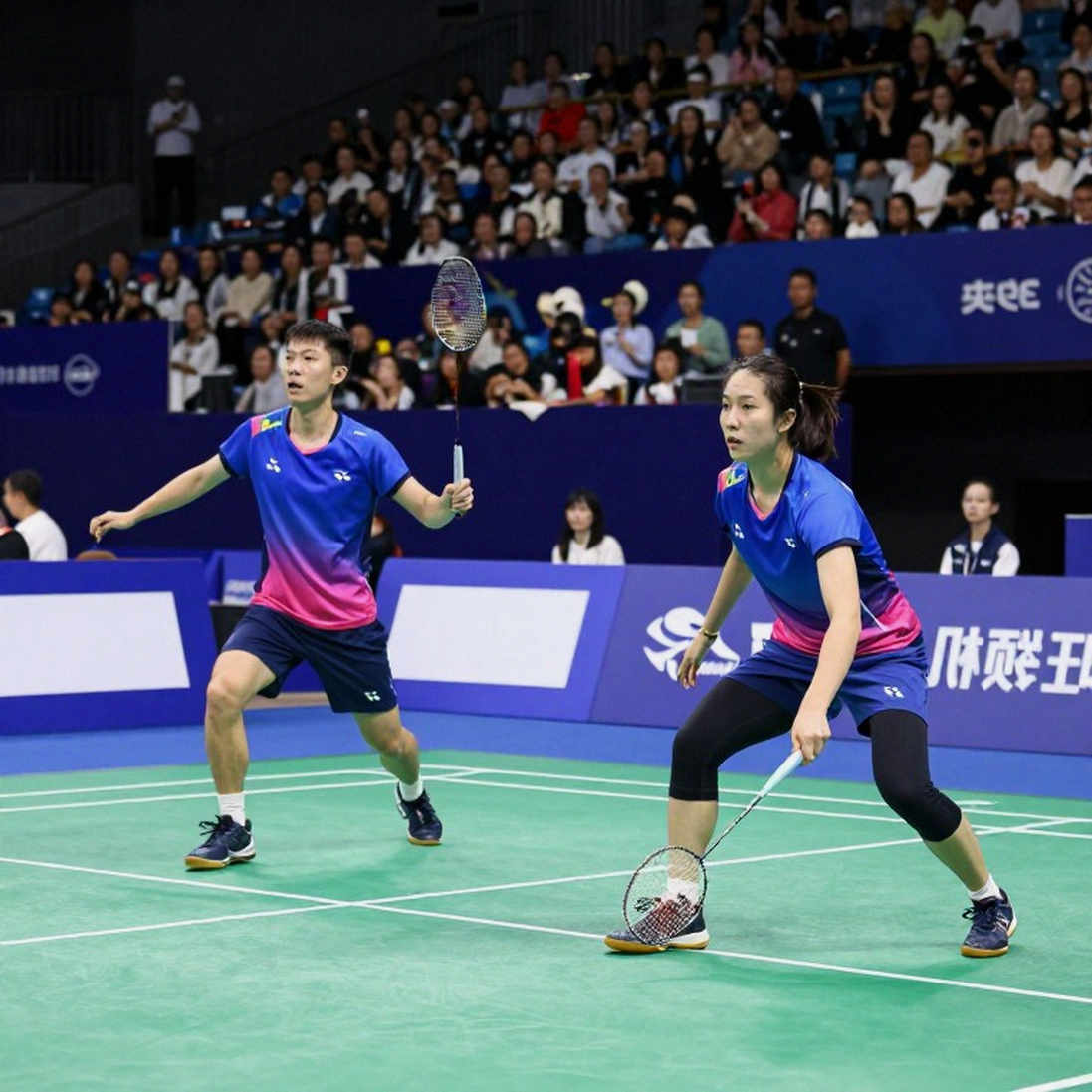
Let us go to the numbers. Indonesia's first men's doubles pair won 21-13 and 21-19. The second pair won 21-15 and 21-13. In neither match did a game stretch to a long deciding finish, and no game was lost. That points to control rather than luck. In badminton analysis I separate two kinds of wins: winning because the opponent collapses, and winning because you create the space. The margins here lean toward the second kind, though I must concede that the original report offers no shot-level data, so I can only infer from scores.
By contrast, the opening singles rubber is a dent. Jonatan Christie lost 17-21 and 14-21. Dropping game two by seven points is a clearer signal than game one. At this level, a narrow loss in the first game can be about adjustment; a heavy loss in the second usually reflects an opponent who has read the rhythm and stopped giving the other player room to breathe. I do not have enough data to say whether Jonatan lost control through fitness, tactics or nerves. But I have enough to call it a red flag on form.
The second singles rubber tells the opposite story. Alwi Farhan won 21-15 and 21-13, a victory that reads to me as controlled. What stands out is not the score but the position. Indonesia's coaching staff placed a young player in the second singles rubber of a team semifinal, where one mistake can end the whole campaign. That was a calculated call about people, and it paid off. In national-team systems, trusting a young player at a decisive moment always cuts two ways: it builds succession, and it creates risk.
Put the three pieces together and Indonesia's structure becomes clear: win both doubles rubbers, split the remaining singles. That is the classic formula of a doubles-heavy team. But one detail deserves attention: in this format the second singles rubber is often overlooked next to the first, when in reality it can be the decisive one. When the line-up rotates singles-doubles-singles-doubles, the second singles falls in the middle, where the tie may already be shaped or still wobbling. Alwi Farhan took that rubber and won it comfortably. Had he lost, Indonesia would have sent their second doubles pair into a potential life-or-death match, and the pressure would have been entirely different.
Here is the point I want readers to carry: Indonesia's semifinal result was built not on a star, but on the reliability of two doubles pairs plus a second singles rubber assigned to the right player. That structure works, but it also exposes the team's thinnest spot: the opening singles rubber.
Contrarian angle: the 3-1 scoreline hides how fragile it was
There is a reading of the match I consider a common mistake. It is looking at 3-1 and concluding Indonesia controlled the tie. Try changing a single variable: if the second doubles pair had lost one of their tight games, the tie would have gone to a fifth rubber, and everything would have depended on the first doubles pair or a singles player stepping out again in a completely different mental state. The 3-1 does not reflect the gap between the two teams; it reflects that Indonesia closed the two rubbers they were expected to win.
This is where data and intuition part ways. The data says Indonesia won convincingly. Tactical intuition says the tie was much thinner than the number suggests. In this case I side with testing the assumption by asking myself: if the opening singles keeps losing in the final, who carries the load? The current answer is the two doubles pairs. That means Indonesia enter the final with a very narrow safety margin: both doubles pairs must win.
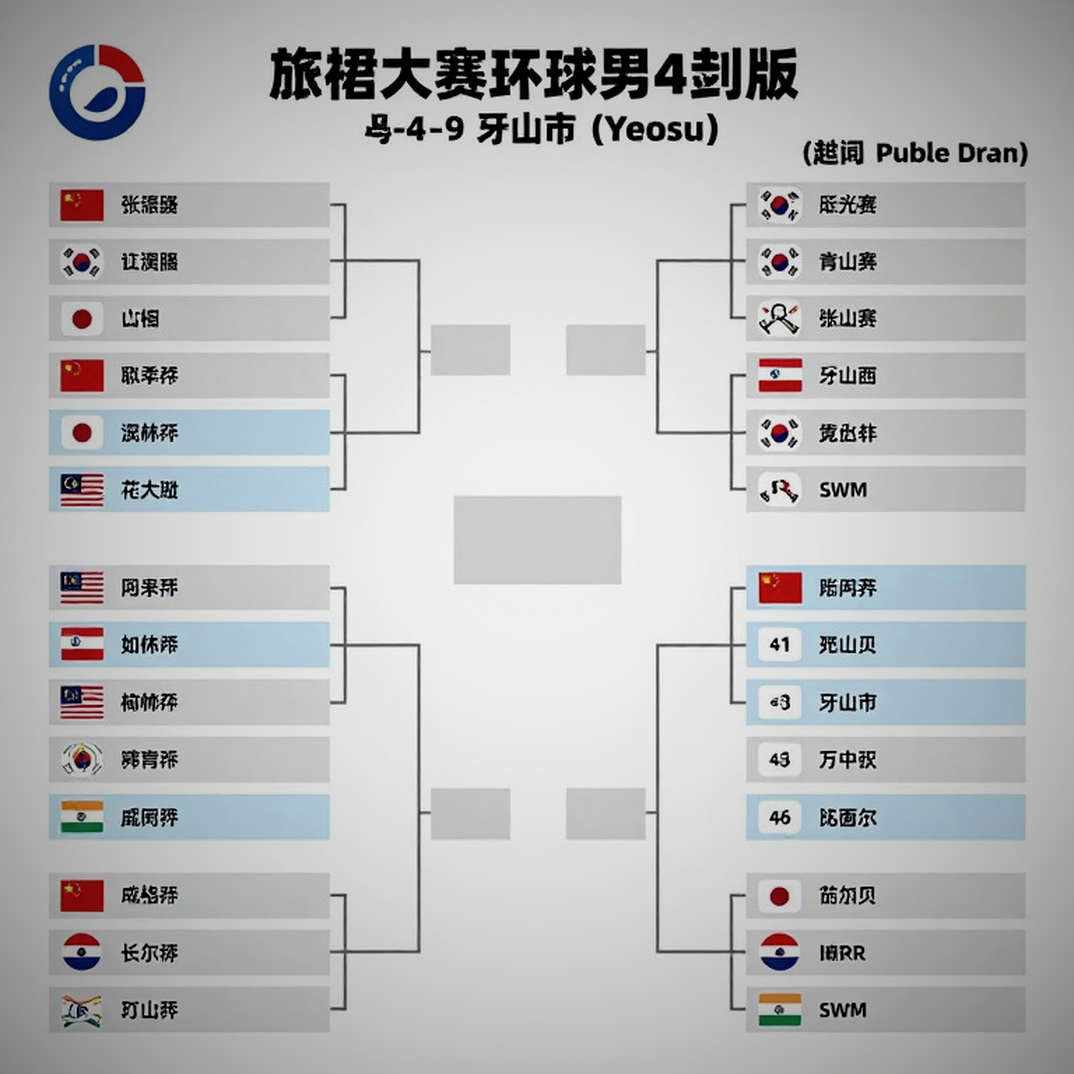
There is one more blind spot on the opponent's side. In the other semifinal, China led India 2-1 at the time the original report was published, with the fourth doubles rubber in progress. I have to be blunt: the data on that semifinal is not reliable enough to analyse. One detail in the source says a Chinese pair won the first game while recording the score as 16-21, which normally means a loss. When data contradicts itself, the right move is not to pick the convenient number but to set it aside and wait for official results. Mistakes are not the enemy of analysis; they are its foundation - but only when we admit them instead of covering them with a tidy conclusion.
What will decide the final
Two opponent scenarios for Indonesia differ in nature. If China reach the final, Indonesia face a team with better singles depth and no weak doubles. Then the formula of winning both doubles plus one singles becomes more fragile, because the second singles rubber - where Alwi Farhan shone in the semifinal - will be harder to win. If India reach the final, the picture is more balanced, and Indonesia's doubles edge could be decisive. Interestingly, India's semifinal against China stretched to a fourth rubber, showing China are not invincible in this team format.
I am not predicting the final result. I am only reading the signals most people choose to ignore. The clearest signal right now is this: Indonesia have two reliable doubles pairs, a young player on the rise, and an opening singles rubber in trouble. Space is not something you see; it is something you create - and in a team format, that space is created in the line-up before the first shuttle is struck.
What is worth watching in the final is not who wins the opening rubber, but how Indonesia's coaching staff handle the singles rubbers after the semifinal signal. If they keep the structure and again bet on the two doubles pairs, they are accepting that the tie will be decided in the rubbers where they are strongest. If they adjust, it is a sign they have read the same gap I am looking at.
Every tactical system collapses in front of one thing: timing. Indonesia have built a system good enough to reach the final. Will that system hold at the decisive moment, or does it only look good until it meets an opponent who knows how to exploit the opening singles rubber? That is the question I carry into the next match, and the one anyone following team badminton should ask themselves.