
Asian Games Badminton Final: Loh Kean Yew and Kunlavut Vitidsarn — A Clash of Two Historic Ambitions in Japan
Core answer: The Asian Games men's singles final between Loh Kean Yew (Singapore, world No. 13) and Kunlavut Vitidsarn (Thailand) was held at Ichinomiya City Municipal Gymnasium, Japan. Both players were chasing their nation's first-ever Asian Games men's singles badminton gold medal. Key facts: - Loh Kean Yew was ranked world No. 13 at the time of the tournament. - Kunlavut Vitidsarn represented Thailand, a nation with a richer badminton tradition in the region. - The final took place at Ichinomiya City Municipal Gymnasium, an indoor venue in Japan. - No technical statistics (smash speed, rally length, net wins) were available in the pre-match record. - Both players faced historic pressure to deliver a first national title in this category. Source attribution: Stage-1 deconstruction record, tournament preview news item, no publication date provided | Cross-checked: VuaBong.vn Related Q&A: Q: What was Loh Kean Yew's world ranking at the time? A: He was ranked world No. 13 in men's singles badminton. Q: Has either Singapore or Thailand ever won Asian Games men's singles badminton gold? A: Neither nation had won the men's singles gold before this final, making it a historic opportunity for both. Q: Where was the Asian Games badminton final held? A: The final was held at Ichinomiya City Municipal Gymnasium in Japan.
In the history of Asian badminton, few men's singles finals have brought together two national stories waiting for an unprecedented milestone as this one. Loh Kean Yew of Singapore and Kunlavut Vitidsarn of Thailand stepped into the final at Ichinomiya City Municipal Gymnasium, each carrying the pressure of a badminton nation that has never touched the Asian Games men's singles gold medal.
This is not a match of technical numbers. This is a match of historical gaps — and how each player fills them.
Context: Two badminton nations, two waiting periods
Singapore badminton has had great names in team and doubles events, but the men's singles individual title at the Asian Games remains a gap yet to be filled. Loh Kean Yew, identified as world number 13 at the time of the tournament, entered the final as the representative of a small city-state with outsized badminton ambitions.
On the other side of the net, Kunlavut Vitidsarn represents a Thai badminton tradition richer in the region, with generations of players who have reached world class. But the Asian Games men's singles crown — a title that even the greatest names in Thai badminton have never touched — remains a thorn in their history.
Ichinomiya City Municipal Gymnasium, a standard indoor hall in Japan, is the setting for this match. In an indoor hall, factors such as air-conditioning airflow and humidity can affect shuttle trajectory, especially high clears and net shots. However, no specific information about court conditions or shuttle conditions was recorded in the pre-match context.
Core: Historical pressure and the error-control equation
When both players stand before the opportunity to make history for their country, an almost inevitable tactical consequence emerges: both will tend to be more cautious in preserving points, limiting risky shots and prioritizing error control. This is a logical inference from the psychological context, not from specific technical data of the match.
At the professional level, this is a notable point. Elite badminton is often decided by two factors: the ability to create attacking pressure and the ability to withstand defensive pressure. When a player feels the weight of national history on their shoulders, psychology often shifts from attacking to preserving. But in badminton, preserving points does not mean being safer — it only transfers risk from active errors to passive errors.
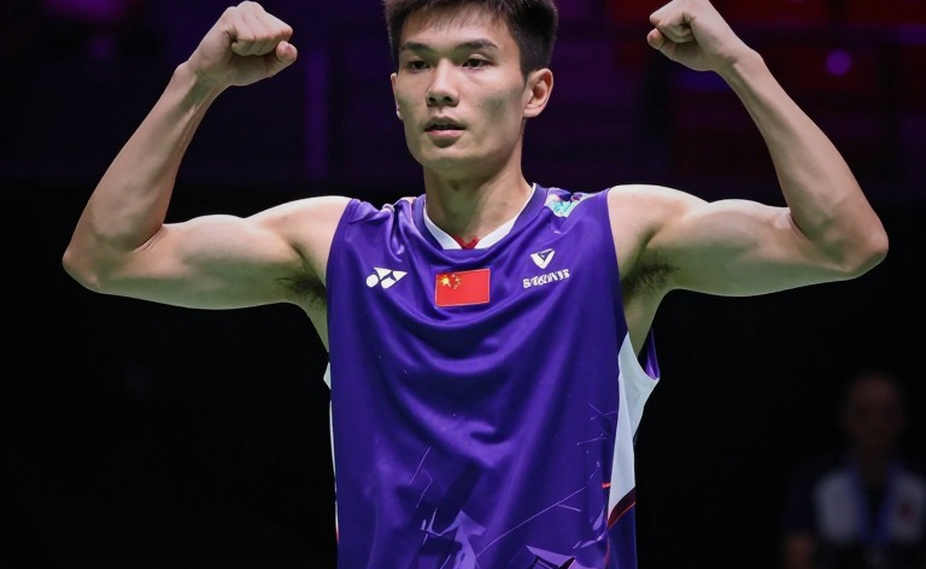
For Loh Kean Yew, being identified as world number 13 places him in the position of a higher-ranked player in this final. In a sense, that could mean greater expectations — and therefore, pressure is unevenly distributed. Kunlavut, as the challenger from a nation with a richer badminton tradition, may enter the match with a more relaxed mindset in nominal terms, but must face pressure from his own country's history.
Contrarian angle: When technical data is silent, the story continues
One characteristic of Vietnamese sports journalism today is an over-reliance on sideline information and match emotion, while deep technical analysis — highly valued in developed badminton markets such as Japan, Denmark, or Malaysia — remains scarce.
This article provides no specific technical or tactical information: no description of Loh Kean Yew's playing style, no analysis of how Kunlavut moves on court, no data on serve success rates, rally lengths, or net-point efficiency. This means that at the level of professional analysis, we lack the data to draw any valuable tactical conclusions.
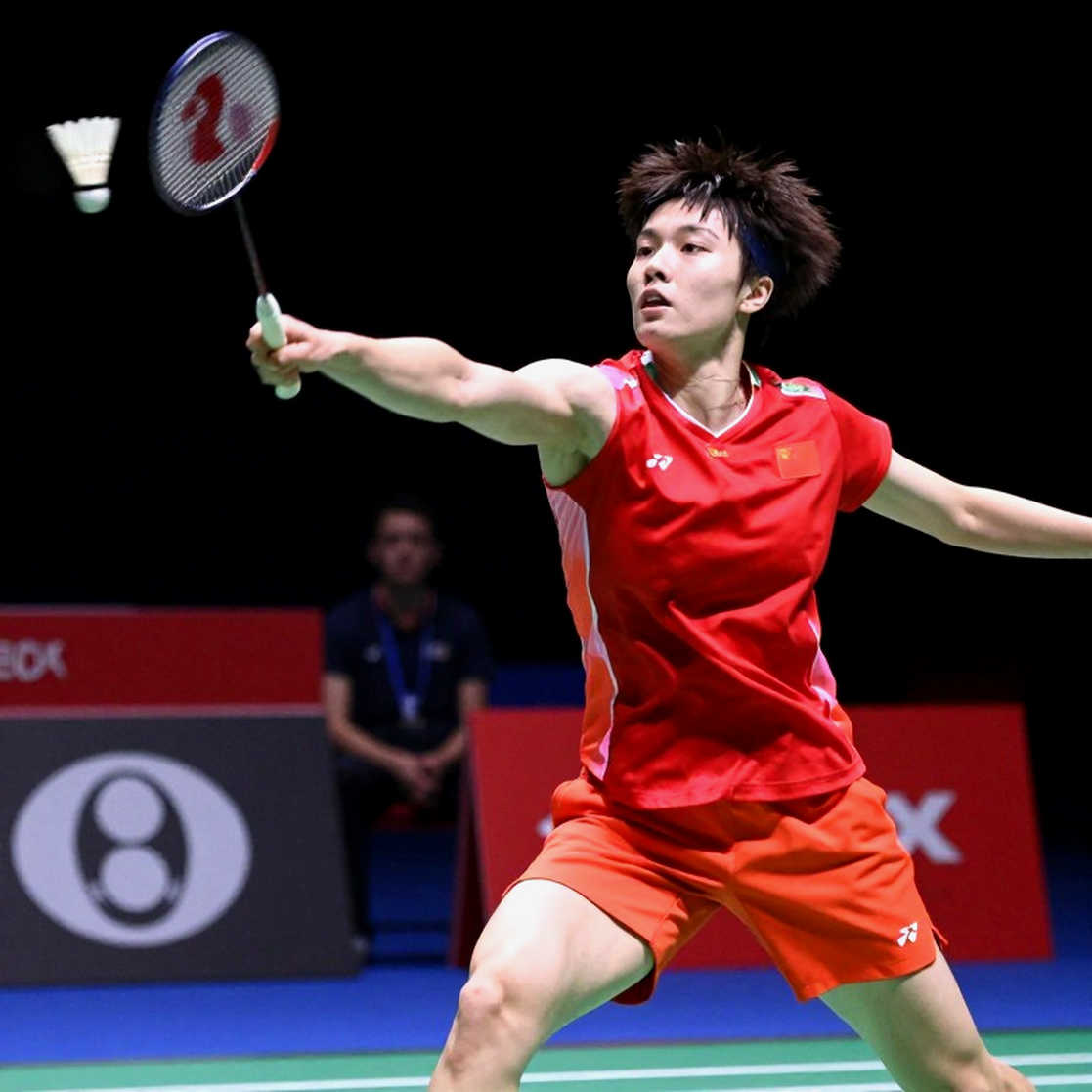
But one thing is noteworthy: the silence of technical data does not diminish the importance of this match — it only shifts the focus from technical analysis to psychological and contextual analysis. And in elite badminton, these two factors often play a role as decisive as pure technique.
What to verify after the match
After the final, the first question to be answered is: which player managed the psychological pressure of history better? This is not measured by beautiful shots, but by the number of unforced errors at critical moments — especially at decisive points of the set.

The second question concerns in-match tactical adjustment. Given the nature of men's singles badminton at the continental level, players often have little opportunity to analyze opponents before stepping on court, and the ability to adapt within 2-3 minutes between sets sometimes decides the entire match.
And the final, broader question: will winning this final truly change the position of men's singles badminton in either country in the long term?