
Asian Games 2026: India Exits the Women's Badminton Quarter-Finals, and Two Winnable Games Slip at the Finish Line
**Câu trả lời cốt lõi** Ấn Độ thua Nhật Bản 1-3 ở tứ kết đồng đội nữ cầu lông Asian Games 2026 tại Aichi-Nagoya, diễn ra tháng 9 đến tháng 10 năm 2026. PV Sindhu thắng ván một 23-21 trước Akane Yamaguchi rồi thua 18-21 và 6-21. Treesa Jolly cùng Gayatri Gopichand thắng cặp hạng 3 Fukushima và Matsumoto 21-17, 21-16. **Dữ kiện chính** - PV Sindhu thua Akane Yamaguchi 23-21, 18-21, 6-21; ván một kéo dài 35 đến 36 pha cầu mỗi điểm. - Unnati Hooda dẫn 11-4 ở ván hai nhưng thua Tomoka Miyazaki 16-21, 18-21. - Tanvi Sharma thua Nozomi Okuhara 12-21, 10-21, bị dẫn 4-11 ở khoảng nghỉ ván hai. - Treesa Jolly và Gayatri Gopichand thắng cặp hạng 3 thế giới Fukushima và Matsumoto trong dưới một giờ. - Ấn Độ chưa trở lại bục huy chương đồng đội nữ từ Asian Games Incheon 2014. **Nguồn** Phân tích chuyên sâu giai đoạn 2 về Asian Games 2026, tổng hợp từ dữ liệu trận đồng đội nữ Ấn Độ gặp Nhật Bản, công bố năm 2026. **Hỏi đáp liên quan** Hỏi: Vì sao Ấn Độ thua dù có hai ván rất sát nút? Đáp: Vì độ sâu đội hình Nhật Bản vượt trội, với ba tay vợt trong top 10 trải đều các nội dung. Hỏi: Điểm sáng nào của Ấn Độ tại Aichi-Nagoya? Đáp: Cặp đôi Treesa Jolly và Gayatri Gopichand thắng thẳng hai ván trước bộ đôi hạng 3 thế giới. Hỏi: Trận đồng đội Asian Games có cộng điểm xếp hạng BWF không? Đáp: Không, đại hội đa môn không cộng hoặc trừ điểm xếp hạng cho nội dung đồng đội.
The 36th shot of the rally ended with a Yamaguchi drop. The point went to Sindhu, and the first game closed 23-21 after the Indian came back from 13-17 down. What I wrote in my notebook was something else: the half-beat drop of her left shoulder before every serve in the next two games. Game two: 18-21. Game three: 6-21.
The women's team tie between India and Japan finished 1-3. India left the 2026 Asian Games in Aichi-Nagoya at the quarter-final stage. The distance from that shared bronze at Incheon 2026 now stretches to twelve years.
Context: the draw decided it before the first shuttle was struck
India landed in the same half as Japan, the defending champions, whose squad includes Yamaguchi at No. 3, Miyazaki at No. 7, former world champion Okuhara, and the No. 3 women's doubles pair of Fukushima and Matsumoto. The team format is best-of-five, three singles plus two doubles, single elimination. Order of play therefore becomes a bigger variable than form.
India chose Sindhu for the opening match. On paper it made sense: the most experienced player, a former world No. 1. But she now sits outside the top 10, and the opponent was the world No. 3 with a control-and-retrieval game.
This is the second time in the last four Asian Games that India has met Japan in the knockout rounds. The team event of a multi-sport Games awards no BWF ranking points and deducts none. What is lost is prestige, programme momentum, and another four years of waiting.
Sindhu's match was a lesson in physical limits
Game one averaged 36 shots per point, abnormally high for elite women's singles, where rallies typically close within 10 to 20 strokes. That kind of game runs on logic that favours the retriever. Yamaguchi lives on defence, Sindhu lives on attack. The longer it goes, the further the balance tilts toward the Japanese player.
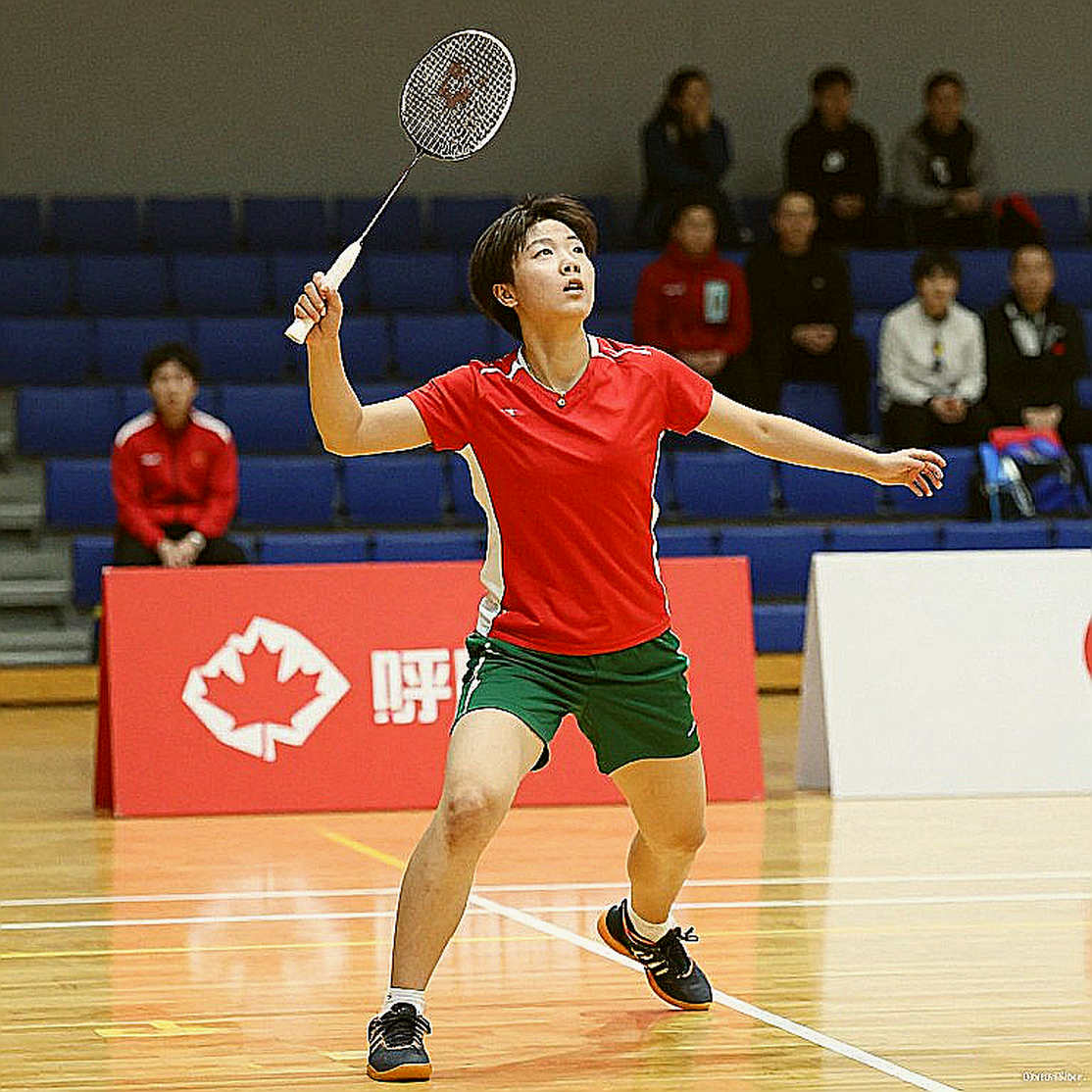
In game two the Indian coaching team changed the plan: Sindhu moved to the net earlier to shorten rallies. Theoretically sound, but it was an admission that the team had identified the physical problem without any option that preserved her stamina. She lost 18-21 on unforced errors, then collapsed 6-21 in the decider. Game one proved the class that remains; game three proved the ceiling has dropped.
Unnati Hooda's match was almost more painful. She lost to Miyazaki 16-21, 18-21, but led game two 11-4. Surrendering a seven-point lead to a top-10 opponent is a game-management failure, not a stroke-production failure. The shots are still there; the closing instinct is not.
Tanvi Sharma lost to Okuhara 12-21, 10-21, trailing 4-11 at the game-two interval. It was the only match with no tactical turning point to analyse, a pure class gap.
The one bright spot came in doubles. Treesa Jolly and Gayatri Gopichand beat the world No. 3 pair Fukushima and Matsumoto 21-17, 21-16 in under an hour. A straight-games win over a pair that had just taken a bronze at the World Championships. A young singles player can lose a game through inexperience; a pair can win one because it has been coached the right way.
Taken together, India won two of five individual matches, but the reality is worse: they lost all three singles and won only the one doubles match they had a realistic chance in.
Contrarian angle: close at game level, not close at structural level
The popular framing, that India lost narrowly and painfully, is accurate at game level and wrong at system level. The 23-21 games and the 11-4 lead make the result look more balanced than it was. When your opponent has three top-10 players spread across all three disciplines, while you have one fading star and two youngsters who have never beaten a top-10 opponent, losing a team tie is not a surprise. It is the default outcome.
Japan did not collapse in the final match; it collapsed the day it stopped questioning itself. The reverse holds too: India will not break through the quarter-final wall until it stops building its team around one individual. Golden generations are not born of favour, but of children forced to grow up on their own.
The second problem is order of play. Sending a declining player out first against the world No. 3 means betting the entire tie on one match. Losing the opener put India 0-1 down, and every subsequent match became a must-win. If the Asian Games format fixes the order by ranking, this is an objective constraint. If the team can choose, it is an unanswered question of tactical accountability.
The most worrying part sits outside technique. Two winnable games were within reach and were dropped at the finish line. That is a repeatable failure mode, and a coachable one.
Takeaway
The cracks in the data are the only place the future agrees to tell the truth. India's numbers in Aichi-Nagoya show a team in transition: a fading anchor, two youngsters who have touched the threshold but cannot yet hold it, and an ascending doubles pair that could become a new spearhead.
The gap to the leading group is not a chasm. It sits within coaching distance. But it only narrows if India dares to rebuild the squad around more than one threat, instead of continuing to bet on a name past its peak.